8 Ways to Disinfect Kitchen Sinks With Isopropyl Alcohol
Isopropyl alcohol at 70% concentration is a recognized disinfectant for hard, non-porous surfaces. Knowing how to disinfect kitchen sinks with it comes down to three variables — concentration, contact time, and surface compatibility. It’s effective against a broad range of bacteria and viruses, evaporates without residue, and is less corrosive than bleach-based products.
Contact time is the variable most worth understanding. Alcohol evaporates quickly, so wiping it off immediately limits its effectiveness. A 30 to 60 second dwell time is generally recommended before wiping. Disinfecting kitchen sinks with isopropyl alcohol follows the same basic sequence across most surface types — clean first, apply, let sit, then wipe.
The methods below cover eight approaches to kitchen sink disinfection, organized by surface type, tool, and condition.
How to Disinfect Kitchen Sinks Using Isopropyl Alcohol
Isopropyl alcohol — typically at 70% concentration — is an EPA-recognized disinfectant that kills many common household bacteria and viruses on hard, non-porous surfaces. Disinfecting kitchen sinks with it tends to work well on stainless steel, porcelain, and composite materials when applied correctly. The methods below cover different ways to use it depending on your sink material, the level of contamination, and the tools on hand.
Spray-and-Wipe Method for Stainless Steel Sinks
Stainless steel is one of the more forgiving surfaces for isopropyl alcohol. Pour 70% isopropyl alcohol into a spray bottle and apply it directly to the sink basin after rinsing out any food debris.
Let the alcohol sit for at least 30 seconds before wiping — this dwell time is what allows it to disinfect rather than just wet the surface. Use a clean microfiber cloth or paper towel to wipe down, working from the rim toward the drain.
Repeat in the faucet neck and handle area, which tends to harbor bacteria from hand contact. Avoid leaving pooled alcohol near rubber gaskets or plastic fittings for extended periods.
Disinfecting a Porcelain Sink Without Staining
Porcelain is more sensitive than stainless steel, particularly if the glaze is worn or cracked. A 70% isopropyl solution is generally safe on intact porcelain, but heavily diluted solutions (below 50%) lose disinfecting effectiveness.
Spray or wipe the solution on the basin surface and let it sit for 30 to 60 seconds. Wipe clean with a lint-free cloth. Avoid scrubbing with abrasive pads after applying alcohol, as this can scratch the glaze and make the surface harder to disinfect in the future.
For older or visibly worn porcelain, test a small area first to confirm the finish holds up.
Also Read: How to Clean Plastic Soap Dishes With Rubbing Alcohol
Using Alcohol-Soaked Cloths to Clean Sink Drains and Edges
The drain rim and sink edges collect debris that a spray bottle may not reach consistently. Folding a cloth or paper towel dampened with isopropyl alcohol and pressing it along the rim and around the drain opening tends to give more controlled coverage.
Work the cloth around the drain flange and into the crevice between the sink and countertop. These areas can harbor bacteria from standing water and food particles.
Do not pour isopropyl alcohol directly down the drain — it can damage certain plastic trap components and creates a potential fire risk near gas burners if vapors accumulate in enclosed pipe systems.
How to Disinfect Composite and Granite Sink Surfaces
Composite and granite sinks vary by sealant and finish. Unsealed granite or composite with a matte finish can absorb liquids, which may reduce the contact effectiveness of alcohol and risk staining over time.
For sealed composite sinks, 70% isopropyl alcohol applied briefly and wiped off is typically fine. Limit contact time to under a minute. Rinse lightly with water after disinfecting to prevent any residue from dulling the surface finish.
If the sink is unsealed, stick to manufacturer-approved disinfectants rather than alcohol-based products.
Also Read: How to Clean Refrigerator Handles Using Isopropyl Alcohol in 5 Steps
Disinfecting Kitchen Sink Faucet Handles and Spout
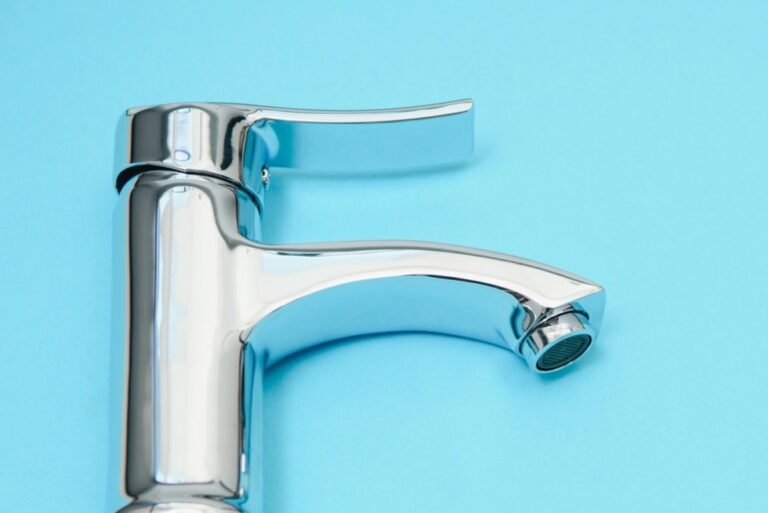
Faucet handles are touched more frequently than the sink basin itself, making them a relevant surface for disinfection. Isopropyl alcohol at 70% applied with a cloth or cotton pad works well on chrome, brushed nickel, and stainless steel hardware.
Wipe down the handle bases, spout neck, and aerator exterior thoroughly. Let the alcohol sit for 30 seconds, then wipe dry.
Avoid saturating areas where the handle meets the base plate — pooling alcohol can work into the mechanism and dry out rubber O-rings over repeated applications.
Sink Disinfection After Raw Meat Contact
After handling raw poultry or meat near the sink, alcohol alone may not be sufficient as a first step. Rinse the basin with hot water and dish soap first to remove proteins and visible contamination before applying a disinfectant.
Once the sink surface is physically clean, apply isopropyl alcohol with a cloth or spray bottle and let it dwell for at least 30 to 60 seconds. This sequence — cleaning first, then disinfecting — tends to be more effective than applying alcohol to a visibly soiled surface.
Disinfecting kitchen sinks after raw meat contact is most effective when the physical cleaning step is not skipped. Alcohol does not penetrate or lift organic residue on its own.
Making a DIY Disinfecting Spray for Regular Sink Maintenance
A basic spray bottle with 70% isopropyl alcohol can be kept near the sink for routine use after dishes or food prep. No dilution is needed — 70% is generally considered more effective for disinfecting than 90% or higher concentrations, because the added water content helps the alcohol penetrate bacterial cell walls more efficiently.
Label the bottle clearly and store it away from open flames. The spray is suitable for quick sink cleaning between deeper cleans and tends to evaporate without leaving residue on stainless steel.
Avoid mixing with other cleaning agents, particularly bleach or hydrogen peroxide, which can produce irritating fumes.
Also Read:
- How to Clean Stove Knobs in 5 Ways
- How to Disinfect Cutting Boards
- How to Clean Kitchen Countertops With a Microfiber Cloth
When Isopropyl Alcohol Isn’t the Right Tool for Sink Disinfection
Isopropyl alcohol works well on hard, non-porous surfaces in good condition, but it has limitations. It’s not an EPA-registered disinfectant for norovirus on all surface types, and it’s less effective against certain spore-forming bacteria.
For high-risk situations — such as illness in the household or confirmed contamination — an EPA-approved disinfectant or diluted bleach solution may be more appropriate. Kitchen sink disinfection with alcohol is better suited for routine maintenance rather than clinical-level sanitizing.
Alcohol also evaporates quickly, which shortens its effective contact window. In cold or dry conditions, it may evaporate before fully disinfecting if not given adequate dwell time.
Safety and Storage Guidelines for Isopropyl Alcohol in the Kitchen
Using isopropyl alcohol near kitchen surfaces requires basic precautions that are easy to overlook. The kitchen presents specific risks — open flames, enclosed spaces, and food contact surfaces — that affect how alcohol should be handled and stored.
Ventilation is the most important variable when using alcohol in kitchen sink cleaning. Open a window or run the range hood fan when applying it in an enclosed kitchen to prevent vapor buildup.
- Store isopropyl alcohol away from the stove, toaster, and any pilot light appliance.
- Keep containers tightly sealed when not in use.
- Do not apply alcohol to a surface that will immediately contact food — rinse with water afterward if the surface is used as a prep area.
- Keep isopropyl alcohol out of reach of children and away from open flames at all times.
- Check sink manufacturer guidelines before using alcohol on specialty finishes or sealed stone surfaces.
Isopropyl alcohol at 70% is widely available at pharmacies and hardware stores. It has a reasonable shelf life when sealed but degrades in concentration when left open, which reduces its effectiveness over time.
We hope you enjoyed this guide on how to disinfect kitchen sink with isopropyl alcohol. If you found it helpful, please share it on Facebook or Pinterest.