How to Clean Plastic Soap Dishes With Rubbing Alcohol
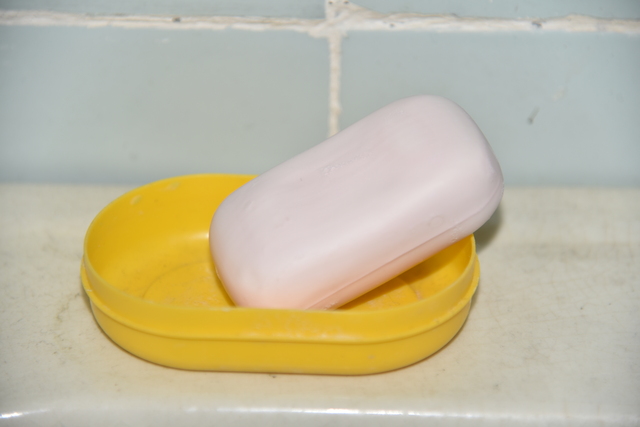
Plastic soap dishes tend to collect soap scum, residue, and grime quickly, especially in humid bathroom environments. Water minerals and soap buildup bond to plastic surfaces and resist regular rinsing. Standard dish soap often lifts surface residue but leaves behind staining or bacterial film in textured areas.
Rubbing alcohol — isopropyl alcohol at 70% or 91% concentration — cuts through soap scum and disinfects plastic without bleaching or warping it. Cleaning plastic soap dishes with rubbing alcohol works well because alcohol dissolves soap-based residue and evaporates quickly, leaving no soapy film. It’s a low-moisture method that suits plastic materials that don’t respond well to prolonged soaking.
The methods below cover different tools, conditions, and buildup levels for plastic soap dish cleaning with rubbing alcohol. Each approach applies to a specific situation — light daily grime, stubborn buildup, textured surfaces, and more.
7 Ways to Clean Plastic Soap Dishes With Rubbing Alcohol
Rubbing alcohol can be applied in several ways depending on the type of buildup and the soap dish’s surface texture. Using the right technique to clean plastic soap dishes with rubbing alcohol helps prevent surface scratching and ensures more complete residue removal. The following methods range from quick wipe-downs to more targeted scrubbing approaches.
Clean Plastic Soap Dishes With a Microfiber Cloth and Rubbing Alcohol
A microfiber cloth is suitable for flat or lightly textured soap dishes with standard soap film. Dampen the cloth with 70% isopropyl alcohol and wipe the surface in short overlapping strokes. This method works well for routine cleaning between deeper sessions.
Microfiber lifts residue rather than spreading it, which makes it more effective than paper towels for this application. Do not saturate the cloth — excess alcohol can run into drain holes and sit under the dish. Wipe all sides including the bottom, which often accumulates the most mineral buildup.
Allow the dish to air dry fully before placing soap back on it. Alcohol evaporates within a few minutes under normal bathroom conditions.
Apply Isopropyl Alcohol to Soap Dish Corners With a Cotton Swab
Corner edges and molded drainage ridges on plastic soap dishes tend to trap residue that flat cloths miss. A cotton ball soaked in rubbing alcohol can press into narrow channels and angles. This is a targeted method for detailing rather than full-surface cleaning.
Work slowly along each groove, replacing the cotton ball when it becomes visibly soiled. Rubbing alcohol loosens hardened soap deposits without requiring heavy pressure, which helps avoid scratching softer plastic finishes. For deep corners, a cotton swab gives more precise control than a pad.
This approach works well after a broader wipe-down to finish areas the cloth couldn’t reach. It’s not a standalone method for heavily soiled dishes.
Soak a Plastic Soap Dish in Diluted Rubbing Alcohol
A short soak can help loosen thick soap scum on removable plastic dishes. Mix equal parts 70% isopropyl alcohol and water in a shallow bowl or basin. Submerge the dish for five to ten minutes, then scrub with a soft-bristle brush.
Avoid soaking longer than 15 minutes — extended alcohol exposure can dull or slightly cloud some clear plastics. After scrubbing, rinse the dish under running water and dry with a cloth. This method suits dishes with drainage holes or raised grid patterns where residue packs in.
Soaking alone typically doesn’t remove all buildup. Combining the soak with light brushing generally produces better results than either step alone.
Scrub Textured Soap Dish Surfaces With Alcohol and a Soft Brush
Textured or ribbed soap dishes collect buildup in patterns that resist flat wiping. A soft-bristle toothbrush or vegetable brush applied with rubbing alcohol can work into these textures more effectively. Apply alcohol directly to the brush, then scrub in short circular strokes.
This method is useful when standard wiping leaves visible residue in recessed areas. Rinse the brush periodically to avoid redistributing loosened soap film. The combination of mechanical scrubbing and alcohol’s solvent action tends to clear textured surfaces more thoroughly than either alone.
Work in sections if the dish is large. Rinse with water after scrubbing to remove loosened debris before the alcohol evaporates.
Use a Melamine Foam Sponge With Rubbing Alcohol on Stained Plastic
Melamine foam sponges — sold as eraser-style cleaning pads — can address surface staining and discoloration on plastic soap dishes when used with rubbing alcohol. Dampen the sponge lightly with isopropyl alcohol rather than water, then rub in short strokes over stained areas. The fine abrasive structure of melamine foam combined with alcohol’s solvent action tends to lift soap-based staining more effectively than a cloth alone.
Use light pressure only. Melamine foam is mildly abrasive and can dull glossy plastic finishes if scrubbed too aggressively. Test a small, inconspicuous area first on high-gloss or printed plastic dishes before treating the full surface.
This method works best on rigid, opaque plastic. Rinse the dish after use to remove any loosened residue the sponge has lifted to the surface.
Disinfect a Plastic Soap Dish With 91% Isopropyl Alcohol
Higher-concentration rubbing alcohol (91%) evaporates faster and is more effective at disinfecting than 70% solutions. It’s well suited for soap dishes in shared bathrooms or those used after illness. Apply with a cloth, cotton pad, or spray bottle set to a fine mist.
91% isopropyl alcohol can be harsher on certain plastics than 70%, particularly thin or flexible materials. Limit contact time to under two minutes on flexible or printed plastic soap dishes. Rigid, unpainted plastic generally tolerates brief exposure well.
After application, allow the dish to air dry completely. Because 91% alcohol evaporates quickly, drying time is typically shorter than with water-based cleaners.
Clean a Wall-Mounted Plastic Soap Dish With Rubbing Alcohol
Wall-mounted soap dishes present a different challenge than removable ones — they can’t be soaked or rinsed easily. A damp alcohol cloth applied carefully is the primary method here. Wipe the interior basin first, then the outer rim and any mounting bracket edges.
Use a dry cloth immediately after to absorb excess alcohol before it runs down the wall surface, especially on painted walls. Isopropyl alcohol can strip paint if it pools or sits on a surface for more than a few seconds. Work in small sections and dry as you go.
Cleaning plastic soap dishes with rubbing alcohol in a wall-mounted configuration takes slightly longer than freestanding methods, but produces comparable results when done methodically.
Tips for Maintaining a Clean Plastic Soap Dish Between Alcohol Treatments
Regular maintenance reduces how often deep cleaning is needed. Rinsing the soap dish under running water every two to three days removes loose soap film before it hardens. A quick alcohol wipe-down once a week typically prevents significant buildup on most plastic dishes.
Keeping a bar of soap dry between uses reduces pooling in the dish basin. Dishes with elevated ridges or drainage holes dry faster than flat-bottomed ones and generally accumulate less residue. Switching to a dish with better drainage can reduce cleaning frequency over time.
Rubbing alcohol is not a substitute for periodic scrubbing on heavily used dishes. Combining routine rinsing with scheduled alcohol cleaning tends to keep plastic soap dishes in better condition than either method alone.
We hope you enjoyed this guide on how to clean plastic soap dishes with rubbing alcohol. If you found it helpful, please share it on Facebook or Pinterest.