Clothes Coming Out of the Washer Still Smelling? Here’s What to Check
Washing clothes and still getting odors out of the dryer is one of the more frustrating laundry problems to diagnose. The wash cycle removes visible soil and surface bacteria, but certain odors — mildew, sweat, grease — can survive or even intensify under the wrong conditions. Clothes smelling after a full wash cycle often points to a maintenance issue, a technique problem, or a mismatch between the detergent and the load.
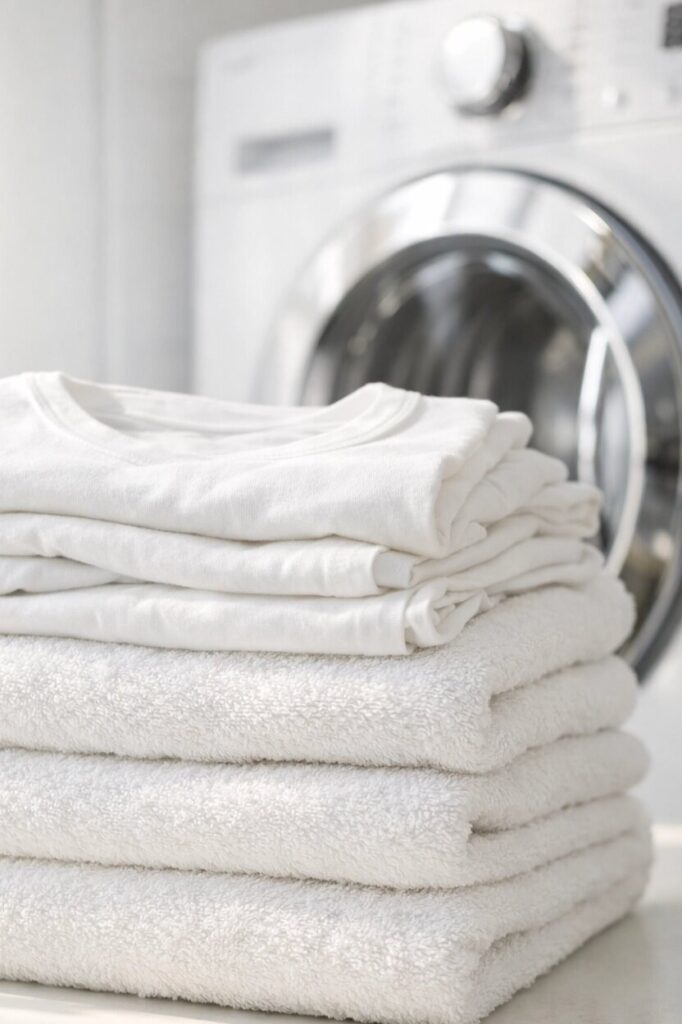
Several factors can contribute to persistent odors in laundry: machine buildup, low wash temperatures, excess detergent residue, and improper drying habits all play a role. These aren’t isolated issues — they tend to compound. Addressing clothes smelling problems typically involves checking more than one variable.
The sections below cover the most common causes of post-wash odors and the methods commonly used to address each one. Most require no special equipment, though some situations may call for specific products or adjustments to your laundry routine.
- A dirty washing machine is one of the most common causes of laundry that smells after washing.
- Overloading and excess detergent can trap odors rather than remove them.
- Low-temperature cycles may not break down the compounds that cause persistent sweat or mildew smells.
Why Clothes Keep Smelling After Washing
Persistent laundry odors are usually linked to the washing machine itself, detergent habits, or the conditions under which clothes dry. Smelly clothes after washing often reflect a buildup problem — either in the drum, the detergent drawer, or the fabric fibers — rather than a failure of the detergent to do its job. The methods below address each of these causes individually.
How a Dirty Washing Machine Causes Laundry Odors
A washing machine that hasn’t been cleaned regularly can harbor mildew, detergent residue, and bacteria inside the drum, gasket, and detergent drawer. When this buildup is present, laundry may absorb those odors during the wash cycle rather than coming out clean.
Front-loaders are particularly prone to gasket mold because the rubber door seal traps moisture after each cycle. After each wash, leave the door ajar for at least an hour to allow the drum to dry out. Wipe the gasket weekly with a damp cloth.
Run a drum-cleaning cycle monthly using a washing machine cleaner tablet or a cup of white vinegar added directly to the drum. Most modern machines have a dedicated cleaning cycle; if yours does not, use the hottest setting available with no laundry inside.
Detergent Residue and Why Less Can Work Better
Using more detergent than the load requires doesn’t improve cleaning — it tends to leave a soapy residue on fabric fibers. That residue can trap bacteria and body oils, which may produce odors over time, particularly in synthetic fabrics.
Follow the detergent manufacturer’s dosing guidelines for your load size and water type. In areas with soft water, reduce the recommended amount by roughly 25 percent. HE (high-efficiency) machines require HE-labeled detergents specifically formulated for low-water cycles.
If residue buildup is suspected, run the affected garments through a cycle with no detergent on a warm setting. This can help rinse out accumulated soap from the fibers.
Low Water Temperature and Odor-Causing Bacteria
Cold water cycles are energy-efficient and gentler on fabrics, but they may not be effective enough for heavily soiled items or synthetic workout gear. Sweat residue, body oils, and the bacteria responsible for odor tend to break down more reliably at higher temperatures.
For gym clothes, towels, and bedding, a warm or hot wash (where the fabric care label allows) is more likely to address odor-causing compounds. Check the garment label before increasing the temperature — wool, delicate synthetics, and dyed fabrics may not tolerate heat.
Some washing machines offer a sanitize cycle that reaches temperatures high enough to reduce bacterial load significantly. This setting may be useful for items that retain odor despite normal washing.
Mildew Smell from Leaving Clothes Wet Too Long
Clothes left sitting in the drum after the cycle ends can develop a mildew smell within a few hours, particularly in warm or humid conditions. The smell comes from mold and mildew that grow quickly in damp, enclosed spaces.
Transfer laundry to the dryer or a drying rack promptly after the cycle finishes. If laundry has already developed a mildew smell, rewash the load with a cup of white vinegar added to the drum, followed by a standard detergent wash.
Do not add vinegar and detergent in the same cycle — vinegar can reduce detergent effectiveness when combined. Use them in two separate passes.
Washing Synthetic Fabrics That Hold Onto Odors
Polyester and other synthetic fabrics are particularly prone to retaining sweat and body odor because their tightly woven fibers can trap oils that water-based detergents don’t fully reach. This is sometimes called “athletic wear odor” and tends to worsen with repeated washing if not addressed.
A presoak step before washing can help. Add the garments to a basin with cold water and a half cup of white vinegar, and allow them to soak for 30 minutes before placing them in the machine. Alternatively, some sports detergents are specifically formulated for synthetic fiber odor — these typically contain enzymes that break down protein-based residues.
Turn synthetic garments inside out before washing. This exposes the inner surface — which holds the most body contact residue — more directly to the water and detergent.
Overloading the Drum and Reduced Wash Effectiveness
An overloaded drum doesn’t allow garments to move freely through the water, which can mean uneven rinsing and detergent that doesn’t fully wash out. Clothes may feel clean but carry residual soap and soil that contribute to odor over time.
Fill the drum to about three-quarters capacity as a general rule. Bulky items like towels and jeans can restrict water circulation even when the drum isn’t technically full. Splitting a large load into two smaller ones may produce better results for items that consistently come out still smelling.
For front-load washers, wipe the door gasket dry after every use. Moisture trapped in the rubber folds is one of the most common sources of recurring mildew odors in laundry.
Additional Checks When Laundry Smells Persist
If the methods above don’t resolve the problem, the issue may involve water quality, the type of water heater, or specific fabric treatments. Ongoing smelly clothes after washing despite routine cleaning may also point to a deeper machine maintenance issue — particularly in older machines where the drain pump or filter hasn’t been serviced recently.
Hard Water and Its Effect on Detergent Performance
Hard water contains high levels of dissolved minerals, primarily calcium and magnesium, that can reduce detergent effectiveness. When detergent doesn’t lather or rinse properly, soil and odor residue may stay on the fabric.
A laundry water softener or a detergent specifically formulated for hard water conditions may improve results. Some households add a small amount of borax to the wash as a water conditioner — this can improve detergent performance in hard water without significantly altering wash chemistry.
Testing your water hardness is straightforward with an inexpensive test strip, available at most hardware stores. Local water utility providers sometimes publish hardness data for their service area.
Checking the Washing Machine Filter and Drain
Most front-load washers and some top-loaders have a drain pump filter that collects lint, hair, and small debris. A clogged or dirty filter can cause drainage problems and leave residue in the drum that contributes to odors.
Consult your machine’s manual to locate the filter — it’s typically behind a small access panel near the bottom front of the machine. Clean it every one to three months, or more often if you wash pet bedding or heavily soiled items regularly.
Have towels ready when removing the filter — residual water in the drain will typically spill out when the filter cap is unscrewed. Place a shallow tray or towels beneath the panel before opening it.
When to Consider a Different Detergent or Format
Powder, liquid, and pod-format detergents perform differently depending on water temperature and machine type. Pods and concentrated liquids may not dissolve fully in cold cycles, leaving a residue that holds odors.
If cold washing is preferred, look for detergents specifically labeled for cold water use. These formulations typically contain enzymes that activate at lower temperatures. Switching detergent format — for example, from pods to liquid in a high-volume cold-wash household — can sometimes make a noticeable difference in how clothes smell after washing.