How to Clean Stone Countertops
Stone countertops require specific cleaning approaches based on their composition and finish. Natural stone surfaces like granite, marble, and quartzite react differently to cleaners than engineered materials, and using the wrong product can dull or damage the surface over time.
Different stone types need different care levels. Granite typically tolerates more aggressive cleaning than marble, which is calcium-based and prone to etching. Soapstone and slate have unique maintenance needs that don’t align with standard stone care.
This overview covers daily maintenance methods, stain-specific treatments, and approaches for different stone varieties. Methods focus on pH-neutral cleaners, microfiber application, and preventive sealing to maintain surface integrity without causing chemical damage.
How to Clean Stone Countertops
Stone surfaces need regular cleaning that removes residue without stripping sealant or causing surface deterioration. The methods below address common cleaning scenarios and material-specific considerations.
Most stone countertops benefit from daily wiping with pH-neutral solutions. Weekly deep cleaning helps prevent buildup in textured finishes or around sink areas.
Daily Maintenance with Dish Soap and Water
A few drops of mild dish soap in warm water creates a safe cleaning solution for most stone countertops. The surfactants in dish soap lift oils and food residue without altering the stone’s pH balance.
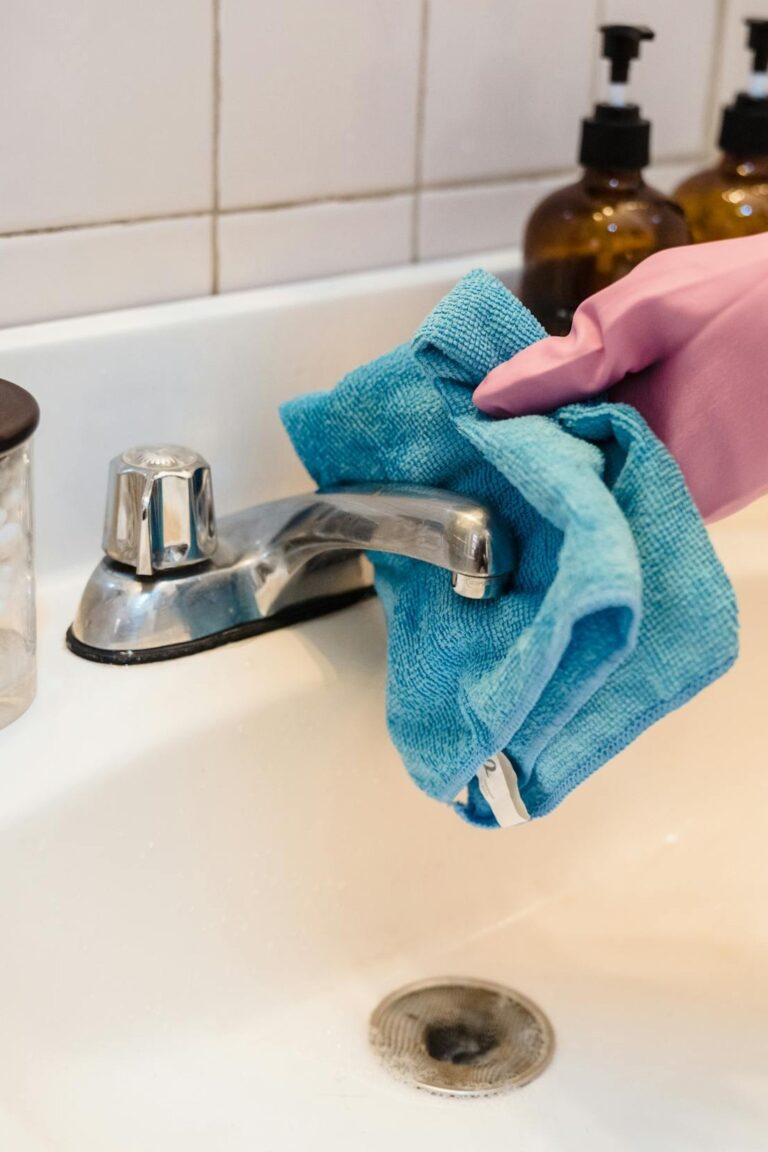
Dampen a microfiber cloth with the soapy water—avoid soaking the surface, as excess moisture can seep into unsealed stone. Wipe in straight lines rather than circles to prevent streaking on polished finishes.
Rinse with a separate cloth dampened in plain water, then dry immediately with a clean microfiber towel. Standing water can leave mineral deposits, particularly on darker stones.
Using Stone-Specific pH-Neutral Cleaners
Commercial stone cleaners formulated with neutral pH (around 7) clean stone countertops without the risk of etching or dulling. These products typically contain gentle surfactants and no acids or alkalis.
Spray the cleaner directly onto the surface or onto a microfiber cloth. Avoid spraying near unsealed edges or backsplash seams where liquid can penetrate.
Wipe the surface systematically, working in sections for larger countertops. Most stone cleaners don’t require rinsing, but check product instructions—some leave a protective layer that shouldn’t be removed.
Cleaning Marble Countertops Without Etching
Marble reacts to acidic substances by losing its polished finish in a process called etching. Cleaning marble countertops requires particularly gentle products that won’t alter the calcium carbonate structure.
Use only cleaners labeled safe for marble, or stick with plain water and a soft cloth for light cleaning. Even pH-neutral dish soap can sometimes leave a film on polished marble that dulls the shine over time.
For dried spills, dampen the area with water and let it sit for 30 seconds before wiping. Scrubbing dry residue can scratch the surface. A plastic scraper held at a low angle can lift stuck-on material without gouging the stone.
Also Read: How to Sanitize Kitchen Countertops
Removing Water Spots and Mineral Deposits
Hard water leaves calcium and magnesium deposits on stone countertops, appearing as white or cloudy spots. These deposits build up around faucets and in areas where water evaporates frequently.
A stone-safe limescale remover or a diluted ammonia solution (1 part ammonia to 10 parts water) can dissolve mineral buildup. Apply with a soft cloth and let it sit for 2-3 minutes before wiping.
Test any ammonia solution on an inconspicuous area first, as some darker stones may show discoloration. Rinse thoroughly with plain water after treatment and dry completely to prevent new deposits from forming.
Addressing Oil-Based Stains on Porous Stone
Cooking oils, butter, and cosmetic products can penetrate unsealed or lightly sealed stone, creating dark spots that spread outward. Oil-based stains on stone countertops often require a poultice to draw the oil back out.
Mix a stone-safe degreasing cleaner with an absorbent powder until it forms a thick paste. Spread the paste over the stain in a layer about 1/4 inch thick, extending slightly beyond the stain edges.
Cover with plastic wrap and tape the edges to prevent drying. Leave for 12-24 hours, then remove and rinse. The process may need repeating for older or deeper stains.
Cleaning Textured or Honed Stone Finishes
Honed, leathered, and brushed stone finishes have more surface texture than polished stone, which can trap food particles and oils in small crevices. These finishes need slightly more attention during routine cleaning.
Use a soft-bristle brush (like a clean toothbrush) with your cleaning solution to work into the texture. Apply light pressure—the goal is to dislodge debris, not wear down the finish.
For leathered granite or textured quartzite, a slightly thicker application of stone cleaner can help penetrate the surface valleys. Let it sit for 1-2 minutes before wiping to allow the cleaner to break down trapped residue.
Also Read: How to Clean Laminate Flooring
Handling Soapstone and Slate Countertops
Soapstone is non-porous and doesn’t stain like other natural stones, but it can scratch easily and develops a patina over time. Cleaning soapstone countertops requires minimal product—usually just water and a soft cloth.
For deeper cleaning, a drop of dish soap works, but soapstone doesn’t need the same pH caution as marble or granite. Light scratches can be buffed out with fine sandpaper (400-grit or higher), then re-oiled with mineral oil to restore appearance.
Slate countertops vary in porosity depending on their grade and finish. Most benefit from the same pH-neutral approach as granite, though slate tends to be more forgiving of slightly alkaline cleaners.
Removing Dried Food and Sticky Residue
Dried sauces or other sticky substances bond to stone surfaces and resist simple wiping. Attempting to scrape them off dry can scratch polished finishes.
Saturate a cloth with warm water and place it over the dried material for 3-5 minutes. The moisture softens most food-based residue enough to wipe away without force.
For stubborn spots, apply a small amount of stone cleaner and let it work for a minute before gently working with a plastic scraper or the edge of a credit card. Metal scrapers and abrasive pads can damage both the stone and its sealant.
Also Read: How to Clean Bathroom Tile Grout
Maintaining Stone Countertop Sealant
Sealant creates a protective barrier that helps prevent staining and moisture absorption, though it doesn’t make stone completely impervious. Most stone countertops need resealing every 1-3 years depending on stone type and use frequency.
Testing sealant effectiveness involves placing a few drops of water on the surface. If the water beads up, the sealant is functioning. If it darkens the stone within 10 minutes, resealing may be needed soon.
Preparing Stone for Sealant Application
The stone must be completely clean and dry before applying new sealant, as any residue or moisture will be trapped under the protective layer. Clean stone countertops thoroughly with a stone-safe cleaner at least 24 hours before sealing.
Check for any existing stains and address them before sealing—sealant locks in stains rather than preventing them. Allow the surface to dry completely, which can take 12-24 hours in humid conditions.
Remove any items from the countertop and ensure good ventilation, as most sealants release fumes during application and curing.
Applying Penetrating Stone Sealers
Penetrating sealers soak into the stone rather than sitting on the surface, offering protection without changing the appearance or feel of the countertop. These sealers work through the stone’s pores to block liquid absorption.
Apply the sealer with a clean, lint-free cloth or foam applicator, working in small sections. Most products specify applying a generous coat and allowing it to penetrate for 5-15 minutes.
Wipe away excess sealer before it dries—leaving it to harden on the surface can create a hazy film that requires extra buffing to remove. Some stones need a second coat applied 30 minutes to an hour after the first.
We hope you enjoyed this guide on how to clean stone countertops. If you found it helpful, please share it on Facebook or Pinterest.