How to Clean Fabric Upholstery Cushions in 6 Steps
Fabric upholstery cushions collect dust, body oils, and everyday residue through regular use. Regular cleaning helps maintain the appearance and extend the usable life of the cushion. The method used to clean fabric upholstery cushions depends on the fabric type, care code, and whether the covers are removable.
Upholstery fabrics vary significantly. Some tolerate water-based cleaners; others require solvent-based products or dry cleaning only. Checking the care tag before starting prevents damage that can be difficult or impossible to reverse.
The steps below cover hand-cleaning and light machine washing for cushion covers, along with spot treatment for non-removable fabric. Guidance for reading care codes, pretreating stains, and drying is also included.

Tools and Materials
Tools
- Vacuum with upholstery attachment
- Soft-bristle brush or clean toothbrush
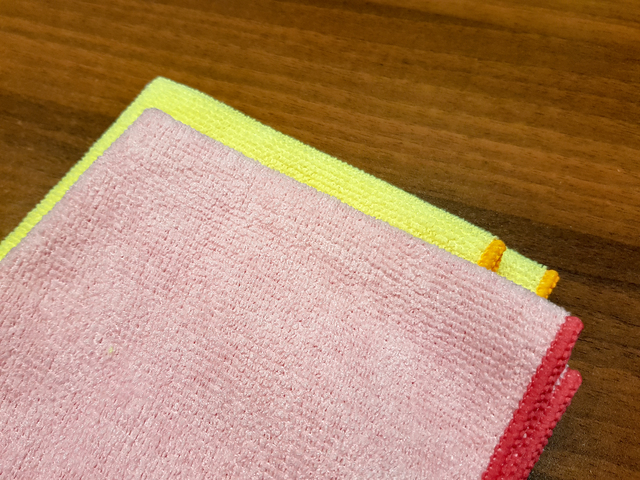
- Clean white cloths or microfiber towels
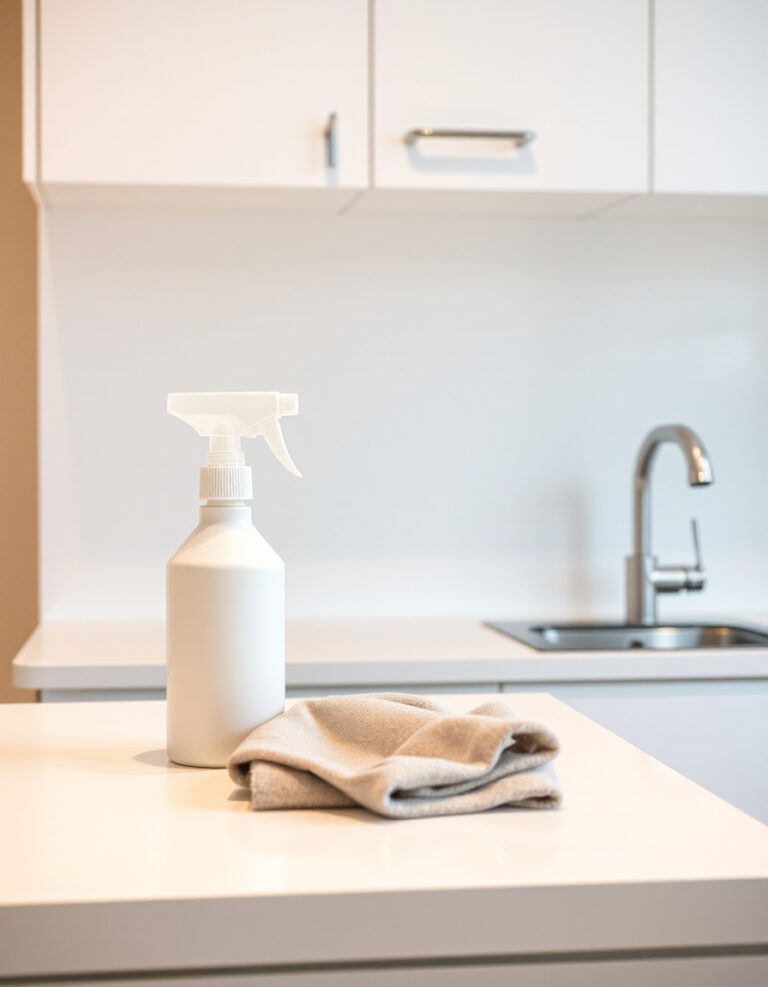
- Spray bottle
- Bucket or basin
Materials
- Mild liquid upholstery cleaner or fabric-safe detergent
- Distilled or cold water
Optional
- Enzyme-based fabric cleaner (for stubborn organic stains)
- Upholstery-specific fabric deodorizer
- Fabric protector spray (post-cleaning)
- Mesh laundry bag (for machine-washable covers)
How to Clean Fabric Upholstery Cushions
This section covers the full cleaning process for fabric cushion covers and non-removable upholstered cushions. The steps apply to standard woven, cotton, polyester, and blended fabrics. Delicate fabrics such as silk, velvet, or antique textiles may require a different approach — always check the care code first.
Step 1: Read the Care Code
Every upholstered cushion should have a tag with a care code. This code determines which cleaning products are safe to use.
- W – Water-based cleaner only
- S – Solvent-based cleaner only; no water
- W/S – Either water or solvent-based cleaners acceptable
- X – Vacuum only; no liquid cleaners
Do not apply any liquid cleaner to fabric labeled “X” or “S” without a solvent-based product intended for upholstery.
If the tag is missing, test any cleaner on a hidden area first and allow it to dry completely before proceeding.
Step 2: Vacuum the Cushion Thoroughly
Remove loose debris before applying any cleaner. This prevents dirt from working deeper into the fabric during the wet cleaning process.
- Attach the upholstery tool to your vacuum.
- Vacuum all surfaces of the cushion, including the sides and seams.
- Use a soft brush attachment or a dry bristle brush to loosen embedded debris in textured fabric.
- Flip the cushion and vacuum the underside.
Step 3: Pretreat Visible Stains
Spot treatment before general cleaning improves the likelihood of stain removal. Treat stains while they are as fresh as possible; set-in stains may not fully respond to home cleaning.
You will need:
- Clean white cloth
- Mild upholstery cleaner or fabric-safe detergent
- Cold water
- Spray bottle
- Dilute the upholstery cleaner with cold water according to the product label. Dilution ratios vary by product and should not be estimated.
- Lightly mist the stained area. Avoid saturating the fabric.
- Blot with a clean white cloth, working from the outer edge of the stain inward.
- Repeat until the stain lightens or lifts. Do not scrub, as this can spread the stain or damage fibers.
- For stubborn organic stains, an enzyme-based cleaner may help — follow product directions.
Step 4: Clean the Full Cushion Surface
This step applies to W and W/S coded fabrics. For removable covers that are machine washable, skip to the variation below.
You will need:
- Mild upholstery cleaner or fabric-safe detergent
- Clean white cloths or microfiber towels
- Soft-bristle brush
- Dilute the upholstery cleaner with water per product instructions.
- Dampen a clean cloth with the solution. It should be damp, not wet.
- Work in small sections, wiping the fabric in the direction of the weave.
- Use a soft brush on heavily soiled areas, working gently in short strokes.
- Wipe each section with a second cloth dampened with plain water to remove cleaner residue.
- Blot dry with a clean dry cloth immediately after rinsing.
Avoid soaking the cushion. Excess moisture can reach the foam or fill inside, which promotes mildew growth and is difficult to dry out fully.
For Removable, Machine-Washable Covers
Some cushion covers zip off and carry a machine-wash designation. Check the care tag for water temperature and cycle recommendations before loading.
- Unzip and remove the cover from the cushion insert.
- Pre-treat any stains using Step 3 above.
- Place the cover in a mesh laundry bag to reduce wear.
- Wash on a gentle cycle using cold water and a small amount of mild detergent, unless the care tag specifies otherwise.
- Remove promptly when the cycle ends to reduce wrinkling.
Do not machine wash covers with embellishments, embroidery, or structured panels unless the care tag specifically permits it.
Step 5: Treat Persistent Odors
For persistent odors, an upholstery-specific fabric deodorizer can be lightly misted over the dry cushion surface. Follow product directions and allow to dry fully before returning the cushion to use.
This step applies to W and W/S coded fabrics only. Check the deodorizer label to confirm compatibility with your fabric type before applying.
Step 6: Dry the Cushion Completely
Proper drying is a critical step. Cushions that retain moisture, particularly thick foam-filled ones, are prone to mildew and can develop a persistent musty odor.
- Place cleaned cushions in a well-ventilated area.
- Where possible, prop cushions on their edges to allow airflow on multiple sides.
- Use a fan to circulate air and speed drying, especially in humid conditions.
- Allow cushions to dry fully before returning them to use or storage. Depending on cushion thickness and humidity, this may take several hours to a full day.
Avoid direct sun exposure for extended periods on colored fabrics, as UV exposure can contribute to fading over time.
Maintenance Between Cleanings
Routine upkeep reduces how often deep cleaning is needed and helps fabric hold up longer.
- Vacuum cushions weekly in high-use areas.
- Blot spills immediately with a clean dry cloth. Do not rub.
- Rotate and flip reversible cushions regularly to distribute wear evenly.
- Apply a fabric protector spray after deep cleaning on W and W/S fabrics to add a measure of stain resistance. Reapply periodically per product directions.
- Keep cushions out of prolonged direct sunlight to slow fading.
We hope you enjoyed this guide on how to clean fabric upholstery cushions in 6 steps. If you found it helpful, please share it on Facebook or Pinterest.