How to Clean Canvas Bags With Hydrogen Peroxide
Canvas bags accumulate stains from everyday use — ink, food, grease, and general grime embed into the fibers over time. Cleaning canvas bags with hydrogen peroxide is a targeted approach for removing discoloration, surface stains, and mild mildew without saturating the bag in a washing machine. This method works on plain and undyed canvas; results vary on printed, coated, or dyed fabric.
Not all canvas responds the same way to peroxide. Unbleached, natural canvas tends to handle this treatment predictably, while dyed or printed surfaces may fade or streak depending on the dye type and application method. A patch test before full treatment is an important step regardless of bag type.
The steps below cover spot cleaning, treating set-in stains, and applying a broader surface treatment when the bag has widespread discoloration. Variations in application — dilution, dwell time, and rinsing — depend on stain severity and fabric condition.
Tools and Materials
Tools
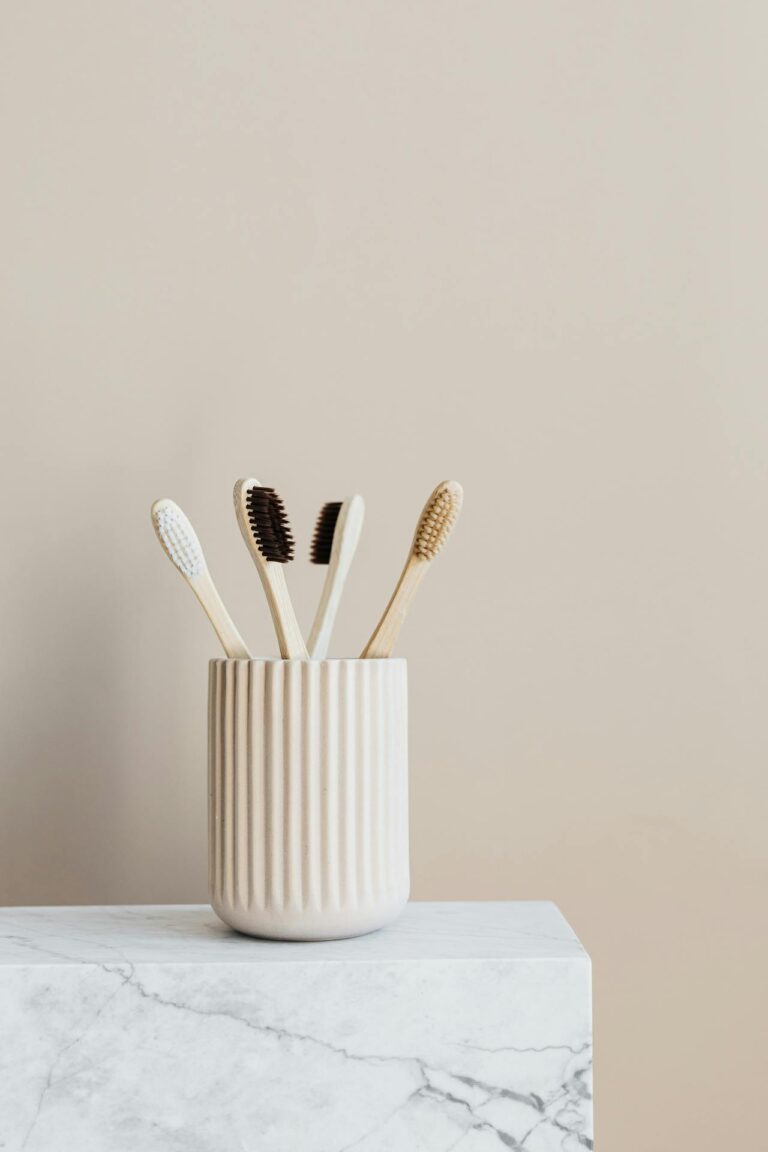
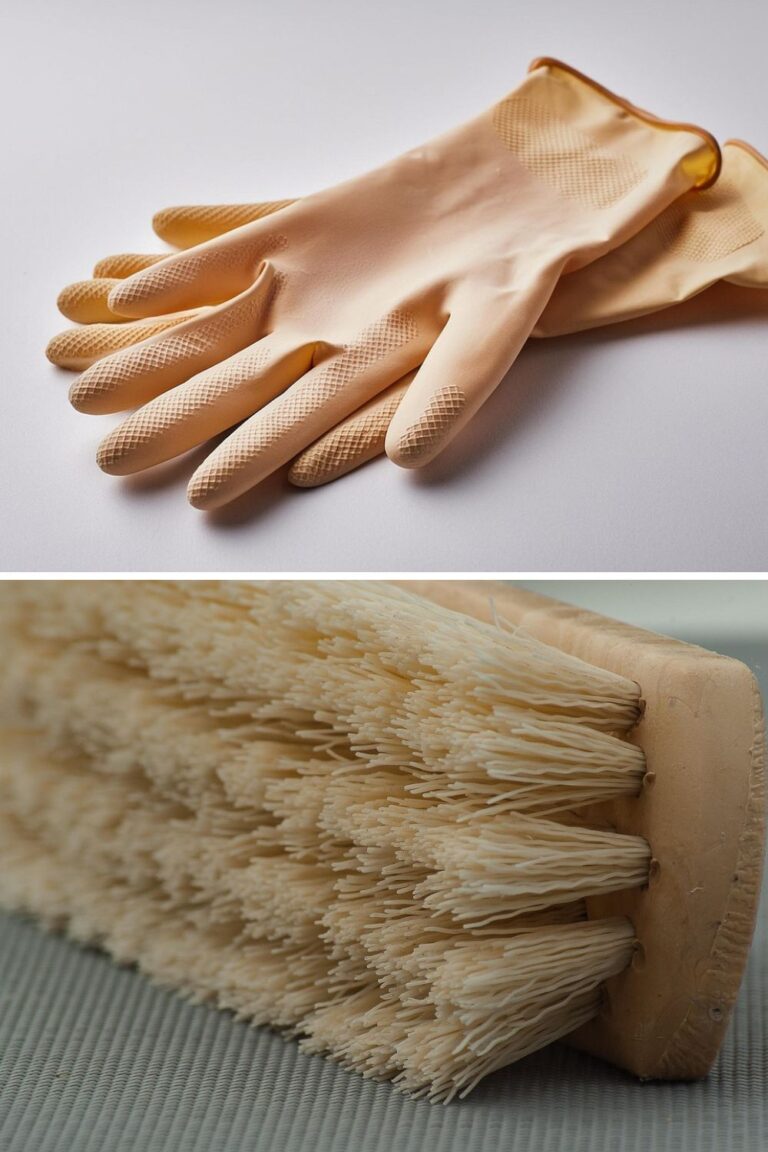
- Soft-bristle brush or old toothbrush
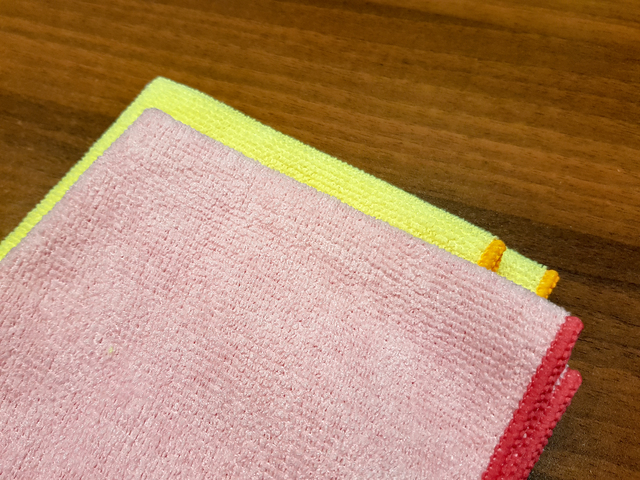
- Clean white cloths or microfiber towels
- Small bowl or container for mixing
- Spray bottle (optional)
Materials
- 3% hydrogen peroxide (standard drugstore concentration)
- Distilled or cool tap water
- Mild dish soap
How to Use Hydrogen Peroxide to Clean Canvas Bags
Hydrogen peroxide is a mild oxidizing agent that breaks down organic stains and surface discoloration on fabric. At 3% concentration — the standard sold at most drugstores — it is typically safe for untreated cotton canvas. It is not well-suited for dark-dyed, printed, or wax-coated canvas without prior testing.
Before Cleaning Canvas Bags With Hydrogen Peroxide: Patch Test
This step applies to every canvas bag, regardless of color or age.
You will need:
- Cotton swab or clean cloth
- 3% hydrogen peroxide
Steps:
- Apply a small amount of hydrogen peroxide to a hidden area, such as the interior bottom corner.
- Allow it to sit for 5 minutes.
- Blot dry and check for any color change, fading, or surface damage.
- If discoloration occurs, do not proceed with peroxide on that bag.
If the fabric lightens or bleeds color, stop. Hydrogen peroxide can permanently fade dyed canvas.
Spot Cleaning Canvas Bags With Hydrogen Peroxide
This approach suits fresh or light surface stains — coffee, mud, food residue, or light ink marks. It targets specific areas rather than the full bag surface.
You will need:
- 3% hydrogen peroxide
- Clean white cloth or soft-bristle brush
- Mild dish soap
- Cool water
Steps:
- Brush away any loose debris or dried material before applying any liquid.
- Dampen a clean cloth with undiluted 3% hydrogen peroxide.
- Press the cloth onto the stain and hold for 2–3 minutes. Do not scrub at this stage.
- Use a soft-bristle brush in gentle circular motions to work the solution into the stain.
- Add a small drop of dish soap to the area and continue brushing lightly.
- Rinse the area thoroughly with cool water using a clean damp cloth.
- Blot dry and allow the bag to air dry fully before assessing the result.
If the stain lightens but remains visible, repeat the process once after the fabric has dried. Multiple light applications tend to produce more consistent results than a single heavy treatment.
Also Read: How to Clean Plastic Cutting Boards With Hydrogen Peroxide
Removing Set-In Stains From Canvas Bags With Hydrogen Peroxide
Set-in stains — including yellowed areas from sweat, old food residue, or long-term storage marks — require a slightly more deliberate approach. A diluted solution with a longer dwell time is typically more effective than spot dabbing alone.
You will need:
- 3% hydrogen peroxide
- Distilled water
- Small bowl
- Soft-bristle brush or old toothbrush
- Clean cloth
Steps:
- Mix one part hydrogen peroxide with one part distilled water in a small bowl.
- Apply the solution directly to the stained area using a cloth or brush.
- Allow it to sit for 10–15 minutes. Do not let it dry completely on the fabric.
- Work the solution in with a soft brush using light circular strokes.
- Rinse the area with cool water and a clean cloth, removing all peroxide residue.
- Blot the area dry and allow the bag to air dry fully in a well-ventilated space, away from direct sunlight.
Dwell time matters here. Leaving the solution on too briefly will produce limited results; leaving it too long on colored or printed fabric risks fading. For plain canvas, 15 minutes is a reasonable upper limit before rinsing.
Cleaning the Full Canvas Bag Surface With Hydrogen Peroxide
When a canvas bag has widespread discoloration, mild mildew staining, or general dinginess across the surface, a broader application may be appropriate. This method suits unbleached or off-white canvas only.
You will need:
- 3% hydrogen peroxide
- Spray bottle
- Soft-bristle brush
- Clean cloths
- Cool water
Steps:
- Empty the bag completely and open all pockets and zippers.
- Lay the bag flat on a clean, waterproof surface.
- Fill a spray bottle with undiluted 3% hydrogen peroxide.
- Mist the entire exterior surface evenly. Do not saturate — a light, even coat is sufficient.
- Allow the peroxide to sit for 10 minutes.
- Use a damp brush to work the solution gently into any heavily soiled areas.
- Wipe the full surface with a clean, damp cloth to remove the peroxide.
- Rinse by wiping down the bag with a fresh cloth dampened with cool water.
- Reshape the bag and allow it to air dry completely before storing or using.
Do not place a damp canvas bag in a dryer or in direct sunlight to speed drying. Heat can cause shrinkage and may set residual staining.
Drying time typically ranges from several hours to overnight depending on humidity and ventilation.
Also Read: How to Clean Kitchen Counters With Hydrogen Peroxide
Factors That Can Affect How Well Hydrogen Peroxide Cleans Canvas
Several conditions influence how hydrogen peroxide performs on canvas bags. Outcomes vary depending on fabric, stain type, and how the peroxide is applied.
Fabric type and finish
- Plain, undyed, or off-white cotton canvas tends to respond most predictably to this treatment.
- Coated canvas — such as polyurethane or wax finishes — may not absorb peroxide evenly and could streak in some cases.
- Printed or screen-printed areas carry a higher risk of fading, even at lower concentrations.
Stain age and type
- Fresh stains are generally easier to treat than dried or set-in stains.
- Organic stains — food, sweat, mildew — tend to respond reasonably well to peroxide’s oxidizing action.
- Oil-based stains may benefit from dish soap pretreatment before applying peroxide, as peroxide alone is unlikely to lift heavy grease.
Concentration and dilution
- 3% hydrogen peroxide is a reasonable starting point for most canvas cleaning tasks. Higher concentrations may increase the risk of fabric damage.
- Diluting to a 1:1 ratio with water can reduce that risk on more sensitive canvas while maintaining some cleaning action.
Limitations to keep in mind
- Peroxide is not a degreaser and may not remove heavy oil-based stains on its own.
- It is unlikely to restore structural damage, fraying, or deeply embedded dye transfer.
- Repeated applications over time can gradually weaken natural cotton fibers, so this method is better suited to occasional use than routine cleaning.
Also Read: How to Clean Plastic Storage Containers With Hydrogen Peroxide

We hope you enjoyed this guide on how to clean canvas bags with hydrogen peroxide. If you found it helpful, please share it on Facebook or Pinterest.