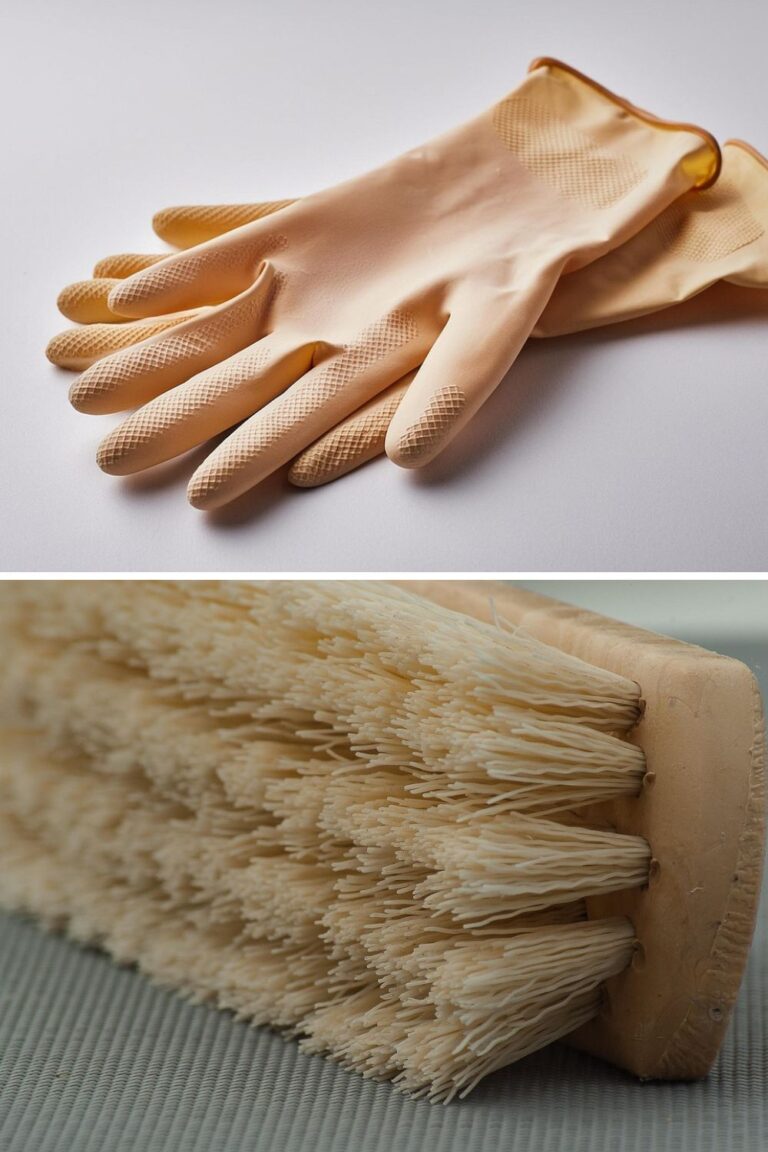
How to Clean Bathroom Tile Grout
Bathroom tile grout collects soap residue, body oils, mineral deposits, and mildew over time, which causes discoloration and staining. The porous nature of grout makes it prone to absorbing moisture and grime, which is why regular cleaning helps maintain its appearance and prevents permanent damage.
Different cleaning methods address different types of buildup and staining. Mild approaches work for routine maintenance, while stronger solutions target deep-set discoloration or mold. Material composition and grout color also influence which cleaning agents are appropriate.
The methods covered here range from basic scrubbing with household products to specialized treatments for stubborn stains. These approaches vary in intensity, required materials, and time commitment.
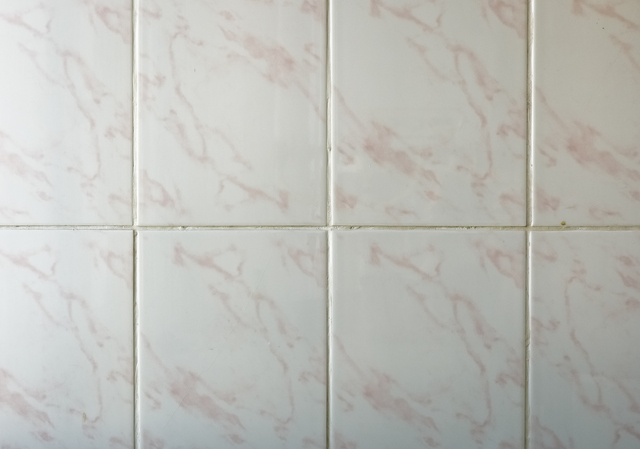
How to Clean Bathroom Tile Grout
This section covers the primary methods used to clean bathroom tile grout, from gentle daily maintenance to intensive stain removal. Different methods address specific conditions—light surface grime, embedded dirt, mold growth, or mineral buildup—and require different tools and cleaning agents.
The effectiveness of any approach depends on grout age, stain type, and how long the buildup has been present. Some methods work quickly on fresh stains but may require repeated application for older discoloration.
How to Clean Grout with Hydrogen Peroxide
Hydrogen peroxide acts as a mild bleaching agent that lifts embedded dirt and brightens stained grout through oxidation. This method works particularly well on white or light-colored bathroom tile grout where gentle whitening helps restore appearance without harsh chemicals.
Pour 3% hydrogen peroxide directly onto grout lines or apply with a spray bottle for better control. Let it sit for 10 to 15 minutes to allow the peroxide to penetrate and break down stains. Scrub along grout lines with a stiff-bristled brush using circular motions.
Rinse thoroughly with clean water after scrubbing to remove all residue. Hydrogen peroxide loses effectiveness when exposed to light, so work in sections and apply fresh peroxide as needed for larger areas.
Clean Bathroom Tile Grout with Dish Soap
Dish soap breaks down grease and oils because it lifts residue from surfaces, making it useful for routine grout cleaning when buildup is light. This approach works on all grout and tile types without risk of discoloration or damage.
Mix several drops of liquid dish soap with warm water in a bucket or spray bottle—roughly one tablespoon per quart of water. Apply the solution to grout lines with a sponge or spray directly onto the surface. Let it sit for 3 to 5 minutes.
Scrub with a brush designed for grout cleaning, applying moderate pressure along the seams. Rinse with clean water and wipe dry with a cloth. For ongoing maintenance, this method can be repeated weekly to prevent heavy buildup from forming.
Cleaning Bathroom Grout to Remove Mold and Mildew
Mold and mildew appear as dark spots or patches on grout, particularly in areas with poor ventilation or constant moisture exposure. Bleach-based solutions kill mold spores and lighten the discoloration they cause, though they work slowly on deeply embedded growth.
Dilute chlorine bleach with water at a ratio of 1:10 for general cleaning, or use it at higher concentrations for severe mold. Apply the solution with a spray bottle or sponge, ensuring the grout stays wet for at least 10 minutes. Ensure adequate ventilation and avoid skin contact when working with bleach.
Scrub the treated areas with a brush designed for grout cleaning—one with stiff, narrow bristles that fit into grout lines. Rinse multiple times with clean water to remove all bleach residue, which can weaken grout over time if left behind.
Steam Cleaning Tile Grout Without Chemicals
Steam cleaners use high-temperature vapor to loosen dirt, kill bacteria, and loosen greasy residue without chemical cleaners. This method works well for bathroom tile grout that is sealed and in good condition, as steam can penetrate damaged or unsealed grout and cause moisture problems.
Attach a narrow nozzle or grout brush attachment to the steam cleaner. Move the nozzle slowly along grout lines, allowing the steam to penetrate for several seconds per section. Wipe away loosened grime immediately with a microfiber cloth.
Steam cleaning tends to be slower than chemical methods but is useful in households avoiding strong cleaning agents. It also helps sanitize grout in high-moisture areas like showers.
How to Clean Grout with Oxygenated Bleach
Oxygenated bleach (sodium percarbonate) releases oxygen when mixed with water, which breaks down organic stains and brightens bathroom tile grout without the corrosive effects of chlorine bleach. It works gradually and is often used for deep cleaning or pre-treatment before sealing.
Dissolve the powder in warm water according to package instructions—ratios typically range from 2 to 4 tablespoons per gallon. Apply the solution to grout with a sponge or brush, ensuring complete coverage. Allow it to sit for 15 to 30 minutes.
Scrub the grout lines with a stiff brush, then rinse thoroughly. This method is slower-acting than chlorine bleach but causes less odor and is gentler on colored grout.
Using a Grout Brush to Clean Bathroom Tile Lines
Manual grout brushes feature narrow, angled bristles designed to fit into grout lines without damaging adjacent tiles. Electric scrubbers add rotating power, which reduces the physical effort required and speeds up the cleaning process for bathroom tile grout.
For manual brushes, apply your chosen cleaning solution first, then scrub in short, overlapping strokes along the grout lines. Apply consistent pressure but avoid excessive force, which can erode grout over time.
Electric scrubbers work similarly but allow the rotating head to do most of the work. Move the brush steadily along grout lines without pressing too hard. These tools are particularly useful for large tiled areas like shower walls or floors.
Cleaning Colored Grout in Bathrooms
Dark or colored grout hides staining more effectively than white grout, but it still requires cleaning to remove mold, mildew, and buildup. Bleach and other whitening agents can lighten or discolor tinted grout, so pH-neutral cleaners are typically a safer choice.
Use a mild detergent or grout cleaner specifically labeled as safe for colored grout. Apply with a soft-bristled brush to avoid scratching or fading the grout’s pigment. Scrub gently and rinse with clean water.
For persistent stains on dark grout, oxygenated bleach in low concentrations can be tested on a small, inconspicuous area first. Avoid prolonged exposure to any bleaching agent on colored grout.
Treating Bathroom Grout Stains with Commercial Cleaners
Commercial grout cleaners are formulated with surfactants, acids, or alkaline compounds designed to target specific types of stains. Acid-based cleaners dissolve mineral deposits and rust, while alkaline cleaners break down oils and soap scum.
Read product labels carefully to confirm compatibility with your tile and grout type. Apply the cleaner as directed—some require scrubbing immediately, while others need dwell time to penetrate stains. Wear gloves and ensure ventilation, as many commercial cleaners produce strong fumes.
Rinse thoroughly after cleaning to prevent residue buildup, which can attract new dirt or cause grout to deteriorate over time.
Maintaining Grout After Cleaning
Once grout has been cleaned, regular maintenance reduces the frequency of intensive cleaning. Sealing grout creates a protective barrier that resists moisture and staining, though it must be reapplied periodically depending on grout type and usage.
Wipe down tiled surfaces after showers or baths to remove standing water and soap residue. Use a squeegee or microfiber cloth to prevent moisture from sitting in grout lines, which encourages mold growth.
Inspect grout periodically for cracks, crumbling, or discoloration. Damaged grout allows water penetration, which can lead to structural issues behind tiles. Re-sealing grout every 1 to 2 years helps maintain its resistance to staining and moisture absorption.

We hope you enjoyed this guide on how to clean bathroom tile grout and found these methods helpful for tackling stains, mold, and buildup. If it helped you, share it with your friends on Facebook and Pinterest!