Easy Methods to Clean Kitchen Appliances and Remove Grease
Kitchen appliances collect grease gradually. Splatters from stovetop cooking, condensation from steam, and residue from handled surfaces build up over time into a sticky film that standard wiping tends to smear rather than remove.
Most commercial degreasers work, but they’re not always necessary. Several household products can address appliance grease effectively when applied the right way.
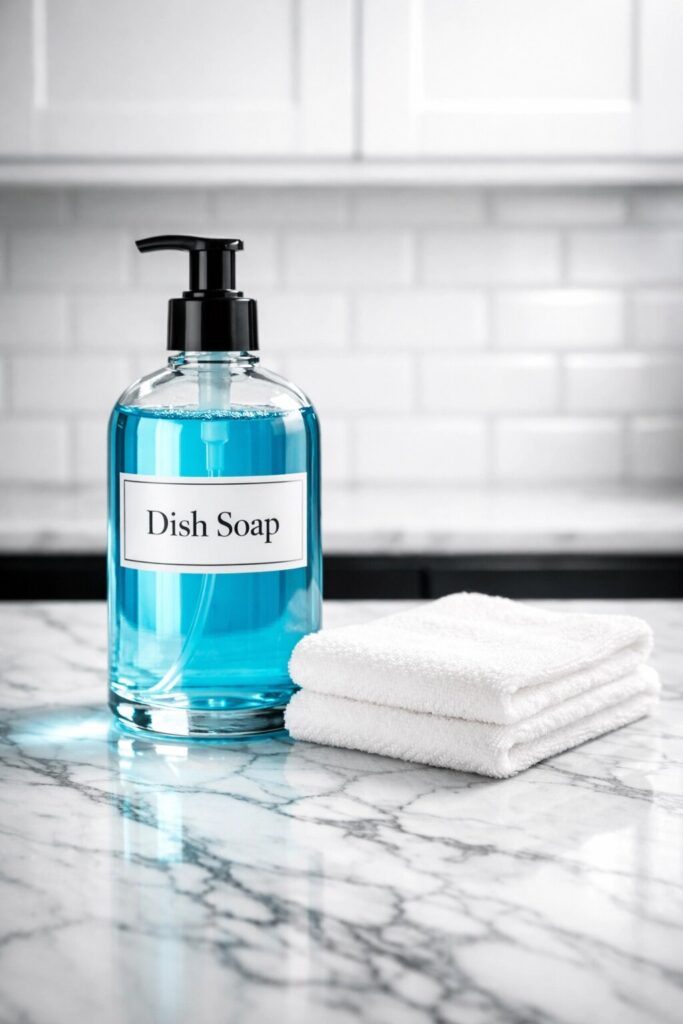
The methods below cover how to clean kitchen appliances across the most common surface types: stainless steel, painted metal, plastic exteriors, and glass. Each approach varies by material sensitivity and soil level.
- Dish soap and warm water handle most everyday appliance grease without additional products.
- Baking soda paste works on stuck-on residue that liquid cleaners tend to miss.
- Stainless steel requires wiping with the grain to avoid visible scratching.
How to Clean Kitchen Appliances: Methods by Surface and Soil Level
Cleaning kitchen appliances effectively depends on the surface material and how much grease has accumulated. Light residue responds to simple soap-and-water methods. Heavier buildup typically requires a longer dwell time or a mild abrasive like baking soda. Starting with the least aggressive method and escalating as needed generally reduces the risk of surface damage.
Cleaning greasy appliance exteriors with dish soap and warm water
Dish soap is formulated to break down cooking oils, which makes it a practical first option for cleaning kitchen appliances with light to moderate grease. Mix a few drops into warm water and apply with a microfiber cloth or soft sponge.
Work in sections and rinse the cloth frequently to avoid spreading grease rather than lifting it. Follow with a clean damp cloth, then dry to prevent water marks.
For appliances near the stove, wipe exteriors weekly rather than waiting for visible buildup — lighter residue comes off with much less effort.
How to remove grease from stainless steel appliances
Stainless steel is durable but shows streaks and fine scratches easily. Dish soap and warm water handle most grease on stainless surfaces. Always wipe in the direction of the grain — wiping across it can leave visible scratch marks that won’t buff out.
For stubborn spots, a small amount of rubbing alcohol on a microfiber cloth can dissolve sticky residue. Finish with a dry cloth to prevent water spotting.
Baking soda paste for stuck-on grease buildup
When liquid cleaners don’t fully cut through heavier grease, a baking soda paste can help. Mix baking soda with just enough dish soap or water to form a spreadable paste. Apply to the surface, let it sit for 5–10 minutes, then scrub gently with a soft brush or non-scratch pad.
This method tends to work well on plastic exteriors and painted metal where grease has been allowed to accumulate over time. Rinse thoroughly — baking soda residue can leave a white film if not fully removed.
Using white vinegar to cut grease on glass surfaces
White vinegar cuts through light grease on glass surfaces, including microwave doors and oven window panels. Dilute equal parts vinegar and water in a spray bottle, apply, and wipe with a lint-free cloth.
Vinegar is mildly acidic and generally safe on glass and most plastics, but it can dull some stainless steel finishes over time with repeated use. For stainless exteriors, dish soap is a more suitable routine option.
Do not use undiluted vinegar on stainless steel appliances. Prolonged contact may affect the finish and void some manufacturer warranties.
How to clean refrigerator exteriors and handles
Refrigerator handles accumulate grease and skin oils more than most other surfaces. A mixture of dish soap and warm water, applied with a cloth rather than a spray, keeps moisture away from gaps around seals and electronic panels.
For painted refrigerator exteriors, avoid abrasive pads. Baking soda paste can be used on stubborn spots but should be tested on an inconspicuous area first, as some paint finishes are more sensitive to mild abrasives.
Keeping Appliances Cleaner Between Deep Cleans
Frequent light maintenance tends to reduce the need for heavy degreasing sessions. Wiping appliance surfaces after cooking — particularly those near or above the stovetop — generally prevents grease from bonding and hardening onto the surface. A damp microfiber cloth used consistently can extend the interval between full kitchen appliance cleanings considerably.
Choosing the right cleaning cloth for appliance surfaces
Microfiber cloths lift and trap grease rather than spreading it. Paper towels can work for quick wipes but tend to leave lint on stainless steel. Rough sponges and steel wool should be avoided on most appliance exteriors — they can scratch painted surfaces and leave marks on stainless steel.
What to avoid when cleaning plastic appliance parts
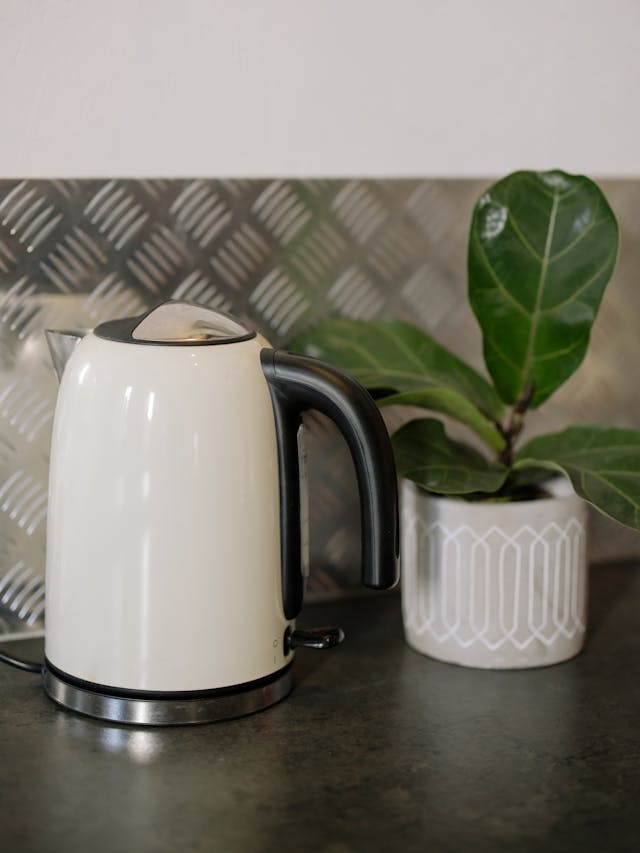
Plastic components — toaster housings, blender bases, coffee maker bodies — are typically sensitive to harsh chemicals. Bleach-based cleaners and abrasive scrubbers can discolor or degrade plastic over time.
Dish soap and warm water handle most grease on plastic surfaces. For ingrained residue, baking soda paste applied briefly and rinsed completely is generally a safer option than commercial degreasers for plastic-heavy appliances.
Keep a spray bottle of diluted dish soap near the stove for quick post-cooking wipe-downs — it takes seconds and prevents buildup from setting.