5 Ways to Clean Humidifier Tanks With Hydrogen Peroxide
Humidifier tanks accumulate pink residue, biological film, and microbial buildup over time. Regular cleaning is necessary to prevent these deposits from cycling back into the air. Hydrogen peroxide is a reliable option for cleaning humidifier tanks because it breaks down organic residue and dissipates cleanly without leaving harmful chemical traces.
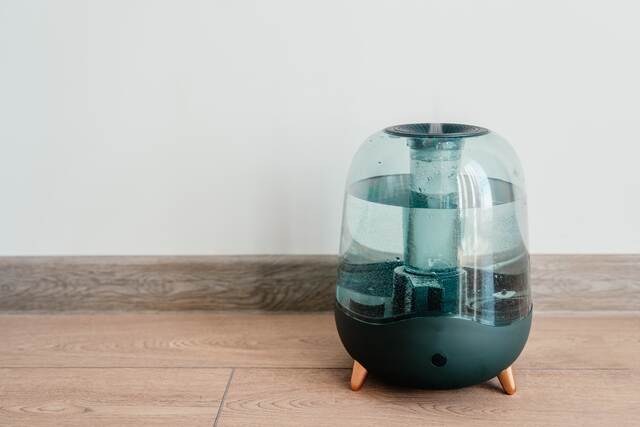
The right approach to clean humidifier tanks depends on tank size, deposit type, and how long buildup has been left untreated. A lightly used tank may need only a brief soak. A neglected one with heavy pink or black residue will require a longer dwell time and some manual scrubbing.
- Only use 3% hydrogen peroxide for all five methods — higher concentrations can degrade plastic tank components and are not appropriate for this application.
- Dwell time varies by condition — a lightly used tank needs 10 minutes, while visible mold or pink residue typically requires 30 to 60 minutes before scrubbing.
- Hydrogen peroxide handles biological buildup — bacteria, mold, and organic film — but does not dissolve mineral scale. White or gray crust needs a separate descaling step first.
The five methods below cover different tank conditions and cleaning needs, from routine maintenance to heavy-duty residue removal. Each includes required materials, step-by-step instructions, and adjustments for specific situations.
Tools and Materials
Tools
- Soft-bristle bottle brush
- Small cleaning brush or old toothbrush
- Measuring cup
- Large basin or sink
Materials
- 3% hydrogen peroxide (standard drugstore concentration)
- Distilled water
- Clean cloths or paper towels
Optional
- Rubber gloves
- Spray bottle
How to Clean Humidifier Tanks With Hydrogen Peroxide
Hydrogen peroxide at a 3% concentration is appropriate for humidifier tank cleaning. Higher concentrations are not recommended for this application and may degrade plastic components. The five methods below address different tank conditions and use cases.
Method 1: Routine Maintenance Rinse (Weekly or Bi-Weekly Use)
This method applies to tanks that are emptied and refilled regularly with no visible discoloration or residue. It is a preventive step, not a deep clean.
You will need:
- 1 cup 3% hydrogen peroxide
- Distilled water
- Empty the tank completely. Discard any standing water.
- Pour 1 cup of 3% hydrogen peroxide into the tank.
- Fill the remainder of the tank with distilled water.
- Swirl the solution around all interior surfaces for 30 seconds.
- Let it sit for 10 minutes.
- Empty the tank and rinse thoroughly with clean water.
- Allow the tank to air dry before refilling.
Method 2: Full Soak for Visible Slime or Pink Residue
Pink or orange residue in humidifier tanks is typically caused by airborne bacteria that settle in standing water. This method uses an extended soak to address visible biological buildup.
You will need:
- 2 cups 3% hydrogen peroxide
- Distilled water to fill tank
- Empty and rinse the tank with plain water.
- Pour 2 cups of hydrogen peroxide into the tank.
- Fill the tank with distilled water to capacity.
- Cap the tank and turn it gently to coat all surfaces.
- Let the solution soak for 30 minutes.
- Do not inhale fumes directly. Work in a ventilated area.
- Empty the tank.
- Scrub any remaining residue with a soft bottle brush.
- Rinse the tank thoroughly with clean water before use.
Pink residue tends to return quickly in tanks that sit with standing water between uses. Emptying the tank completely every day — even when it still has water left — is the most effective way to slow that cycle down between cleanings.
Method 3: Spray Application for Tanks That Cannot Be Submerged
Some humidifier tanks have narrow openings or internal components that make full liquid soaking impractical. A spray application delivers hydrogen peroxide to all surfaces without requiring full immersion.
You will need:
- 3% hydrogen peroxide in a spray bottle
- Soft-bristle brush
- Clean cloth
- Empty and shake out remaining water from the tank.
- Spray the interior surfaces thoroughly with hydrogen peroxide.
- Rotate the tank to reach all angles.
- Let the hydrogen peroxide sit for 15 minutes.
- Use a soft brush to scrub visible buildup.
- Wipe surfaces with a damp clean cloth.
- Rinse the tank with distilled water and allow it to air dry.
Method 4: Addressing Black or Dark Mold Spots
Dark spots in a humidifier tank may indicate mold growth. Hydrogen peroxide at 3% can be used on this type of buildup, though heavily affected tanks may require repeated treatments. If mold has penetrated porous components or is present in internal tubing, replacing those parts is worth considering.
You will need:
- 2–3 cups 3% hydrogen peroxide
- Small cleaning brush or toothbrush
- Rubber gloves
- Put on rubber gloves before handling.
- Empty the tank and discard all standing water.
- Pour 2–3 cups of hydrogen peroxide directly onto affected areas.
- Let it sit undisturbed for 30–60 minutes.
- Scrub dark spots with a small brush, applying firm pressure.
- Empty the tank and inspect surfaces.
- Repeat the soak and scrub if spots remain.
- Rinse the tank four to five times with clean water.
- Air dry completely — at least two hours — before reassembling.
Dark staining that does not respond after two treatments may indicate deep contamination. In that case, replacing the tank is a practical option.
Method 5: End-of-Season Storage Clean
Before storing a humidifier for several months, a thorough hydrogen peroxide treatment helps prevent biological buildup and microbial growth during storage. This method combines scrubbing and soaking before the unit is put away.
You will need:
- 2 cups 3% hydrogen peroxide
- Distilled water
- Bottle brush
- Clean dry cloth
- Empty the tank and rinse with plain water.
- Scrub the interior with a bottle brush to remove any loose deposits.
- Pour 2 cups of hydrogen peroxide into the tank.
- Fill with distilled water to capacity.
- Let the solution soak for 30 minutes.
- Empty the tank completely.
- Rinse three times with distilled water.
- Wipe all exterior surfaces with a damp cloth.
- Leave the tank cap off and allow the tank to air dry for a minimum of 24 hours before storage.
- Store the tank in a cool, dry location with the cap off or loosely placed to allow airflow.
Store the tank with the cap loosely placed rather than sealed shut. A fully closed tank traps residual moisture inside for months, which is exactly the condition mold and bacteria need to establish before the next season even starts.
Hydrogen Peroxide Concentration and Material Compatibility
- Use 3% hydrogen peroxide for all methods above. This concentration is appropriate for plastic, acrylic, and most hard plastic tank materials.
- Do not use concentrations above 3% on humidifier tanks. Higher concentrations may cause discoloration or material degradation depending on the plastic type.
- Hydrogen peroxide addresses biological buildup — bacteria, mold, and organic film. It does not dissolve mineral scale or hard water deposits. If white or gray crust is present, a separate descaling step will be needed before applying hydrogen peroxide.
- Hydrogen peroxide degrades with exposure to light. Store it in its original dark container and check the expiration date before use. Expired solution may be less effective at breaking down residue.
- After any cleaning method, rinse the tank thoroughly. Residual hydrogen peroxide in a running humidifier will dissipate quickly, but a thorough rinse reduces the chance of any trace amount entering the air output.
We hope you enjoyed this guide on how to clean humidifier tanks with hydrogen peroxide. If you found it helpful, please share it on Facebook or Pinterest.