How to Remove Turmeric Stains From Clothes and Kitchen Surfaces
Turmeric contains curcumin, a pigment compound that bonds to fabric and porous surfaces quickly. It tends to set faster than most food stains, which is why the same method that works on a fresh splash may not work as well on one that has dried for several hours.
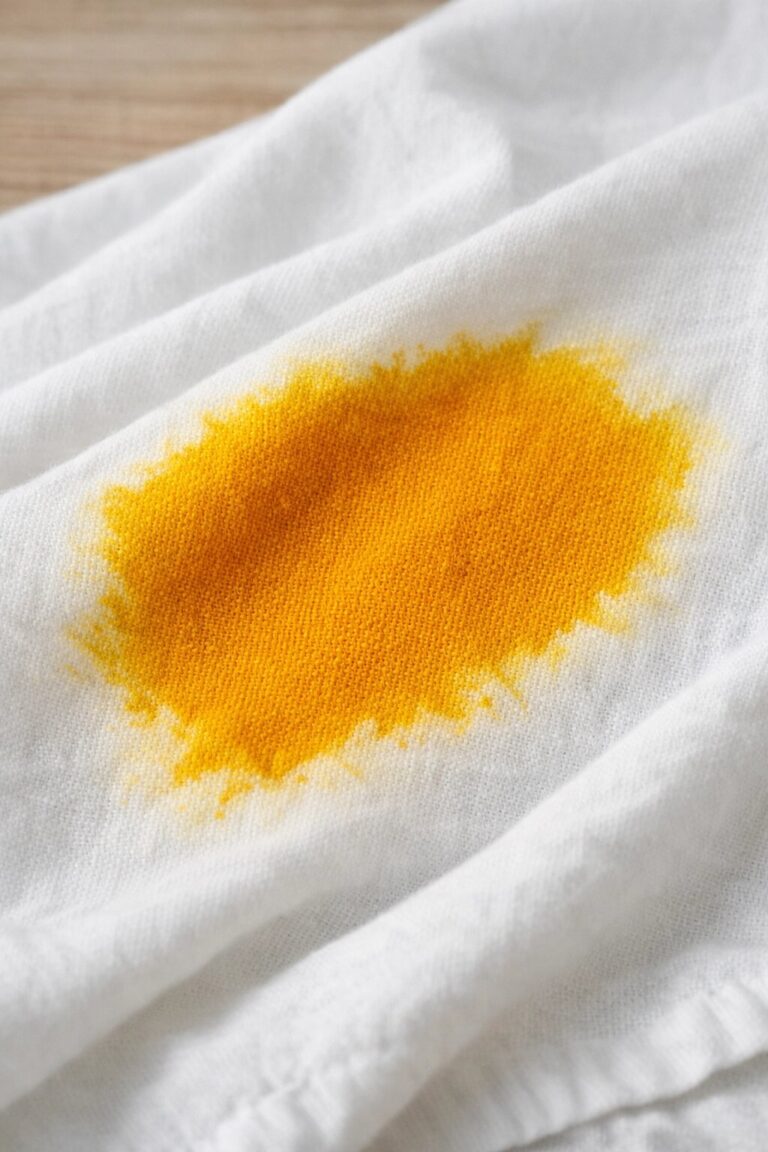
On fabric, turmeric stain removal typically requires a multi-step approach — loosening the pigment first, then lifting it with a secondary treatment. On kitchen surfaces like countertops, grout, or plastic, the process differs depending on porosity and material type.
The methods below cover a range of materials and conditions, from fresh spills on cotton to dried turmeric stains embedded in tile grout. Cleaning turmeric from porous materials generally takes more time and repetition than cleaning smooth, sealed surfaces.
- Act quickly — fresh turmeric stains respond better to treatment than dried ones.
- Dish soap and cold water can help lift the pigment from fabric before it fully sets.
- Sunlight can naturally fade residual yellow on white or light-colored fabric after washing.
How to Remove Turmeric Stains From Fabric and Clothes
The following methods cover how to remove turmeric stains from a range of fabric types — cotton, synthetic blends, and delicate materials included. Each approach targets a different condition: fresh spills, set-in pigment, or specific fabric sensitivities. Results can vary depending on how long the stain has been present and the fabric’s dye stability.
Removing Fresh Turmeric Stains With Dish Soap and Cold Water
Act as soon as possible. Remove any solid turmeric by scraping gently with a spoon or dull knife — avoid rubbing it further into the fabric.
Rinse the back of the stain with cold running water to push the pigment out rather than driving it deeper. Apply a small amount of liquid dish soap directly to the stain and work it in gently with your fingers. Let it sit for five to ten minutes, then rinse again with cold water.
Launder according to the garment’s care label. Do not place the item in the dryer until the stain has been fully addressed — heat can permanently set the turmeric pigment into the fiber.
Using Baking Soda Paste on Set-In Turmeric Stains
For stains that have already dried, a baking soda paste can help loosen the curcumin pigment before washing. Combine one tablespoon of baking soda with enough dish soap to form a thick paste.
Apply the paste to the stained area and let it sit for 15 to 20 minutes. The mild abrasiveness of baking soda can assist in lifting dried pigment from the fabric surface. Scrub gently with a soft brush or old toothbrush, then rinse with cold water before laundering.
White vinegar can be used as a pre-soak on cotton and linen — apply undiluted to the stain for five minutes before treating with dish soap. On darker fabrics, test on a hidden seam first, as prolonged contact may affect dye.
Hydrogen Peroxide for White Fabrics and Stubborn Turmeric Stains
Hydrogen peroxide (3%) can be effective on white cotton and linen where other methods leave a faint yellow trace. It is not suitable for colored fabrics, as it may cause fading or bleaching.
Apply a small amount directly to the stain and allow it to sit for 10 minutes. Do not leave hydrogen peroxide on fabric for extended periods without checking — prolonged contact can weaken the fibers. Rinse thoroughly with cold water, then launder as usual.
This method tends to work best as a follow-up after an initial dish soap treatment rather than as a first step on its own.
Sunlight as a Natural Fading Method After Washing
Curcumin is photosensitive, meaning exposure to direct UV light can help break down residual yellow color. After washing a garment, if a faint stain remains, lay the item flat or hang it in direct sunlight while still damp.
Several hours of sun exposure can help fade the remaining discoloration, particularly on white or off-white fabric. Results vary depending on the amount of residual pigment and the intensity of sunlight available. This method is most useful as a finishing step rather than a standalone treatment for turmeric stain removal.
Treating Turmeric Stains on Delicate or Dry-Clean-Only Fabrics
Silk, wool, and fabrics labeled dry-clean only require a more cautious approach. Avoid saturating the material with water or applying hydrogen peroxide directly.
For delicate fabrics, blot the area gently with a cloth dampened with cold water to remove surface pigment. Apply a small amount of mild dish soap diluted in water and blot — do not rub. For items marked dry-clean only, treating the stain at home carries risk of fabric damage or distortion. Taking the item to a professional cleaner with clear documentation of the stain type is generally the more reliable path.
Getting Turmeric Stains Off Kitchen Surfaces
Kitchen surfaces present a different set of challenges than fabric. Countertops, cutting boards, grout, and plastic containers each absorb turmeric pigment at different rates and respond to different treatments. The following methods address how to clean turmeric from common kitchen materials, with attention to porosity and surface sensitivity.
Cleaning Turmeric Off Laminate and Sealed Stone Countertops
On sealed stone and laminate surfaces, turmeric typically sits on or just below the surface coating rather than penetrating deeply. A paste of baking soda and dish soap, left for five to ten minutes before scrubbing, can often address fresh stains.
For dried residue, a small amount of white vinegar applied to the area and left briefly before wiping may help loosen the pigment. Rinse thoroughly with water afterward — prolonged vinegar contact on natural stone surfaces like marble or travertine can cause etching.
On unsealed granite or marble, skip acidic cleaners entirely. A paste of baking soda and water is typically the safer starting point for these materials.
Removing Turmeric Stains From Plastic Containers and Cutting Boards
Plastic is particularly prone to turmeric staining because curcumin can penetrate micro-scratches on the surface. Standard dish washing often reduces the stain but may not fully clear it.
Apply a paste of baking soda and dish soap to the affected area. Let it sit for 20 to 30 minutes, then scrub with a non-abrasive sponge. For persistent discoloration, placing the rinsed plastic item in direct sunlight for several hours can help further fade the pigment — the same photosensitivity that works on fabric applies here.
Hydrogen peroxide can also be applied to white or light-colored plastic containers. Leave it on for 10 to 15 minutes before rinsing. Avoid this on tinted or dark plastic, as discoloration is possible.
How to Get Turmeric Stains Out of Tile Grout
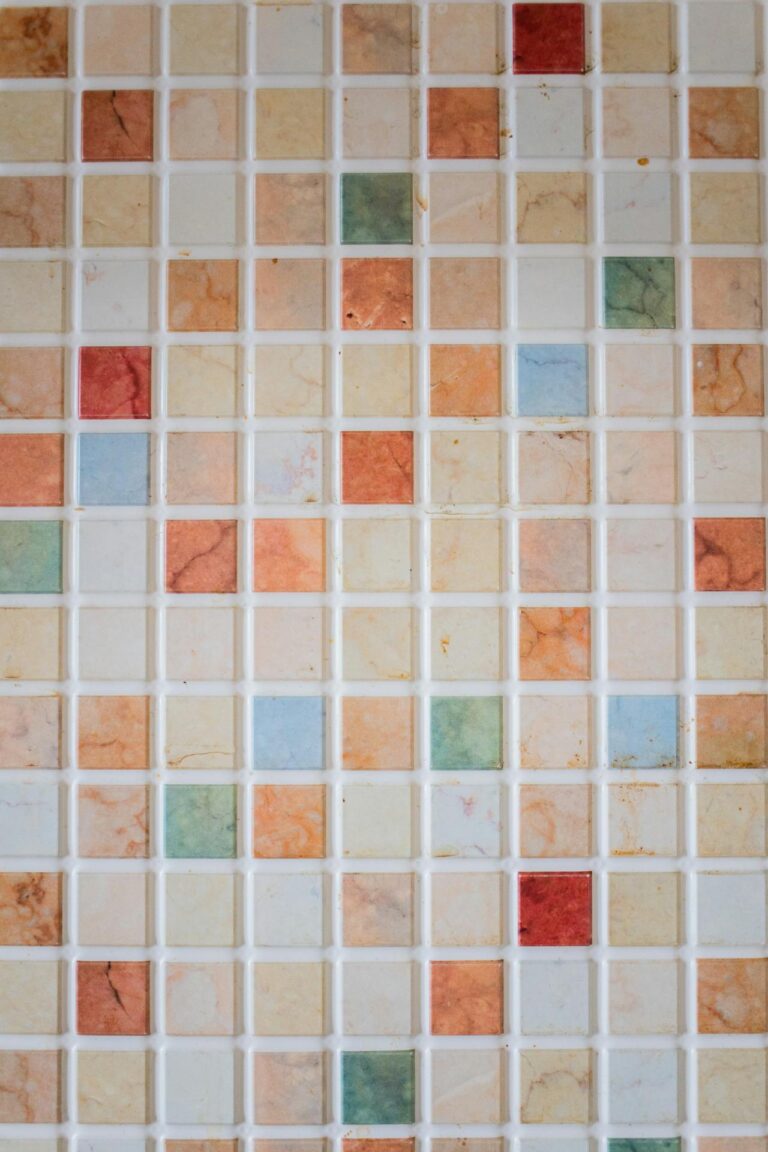
Grout is highly porous and absorbs pigment quickly, making turmeric one of the more stubborn stains to address on tile surfaces. A paste made from baking soda and water applied directly to the grout line is a common starting point.
After applying the paste, scrub with a stiff grout brush in short back-and-forth strokes. Let the paste sit for at least 15 minutes before scrubbing. Rinse with clean water. For older or deeper stains, an oxygen-based cleaner formulated for grout — following the product’s instructions — may be more effective than baking soda alone.
Avoid using bleach on colored grout — it may strip the pigment from the grout itself, not just the turmeric stain. Test any cleaning solution in an inconspicuous area first.
Cleaning Turmeric Stains From Wood Surfaces
Unsealed or lightly sealed wood absorbs turmeric readily. Address spills promptly by blotting — not rubbing — with a damp cloth to lift as much pigment as possible before it penetrates.
For surface stains, dish soap mixed with warm water, applied gently with a soft cloth and wiped immediately dry, can help reduce discoloration. On finished wood, avoid soaking the surface with liquid. For deeper stains in unfinished wood, a light sanding followed by re-sealing is sometimes the most practical resolution, particularly if the wood is already showing wear in that area.

We hope you enjoyed this guide on how to remove turmeric stains from clothes and kitchen surfaces. If you found it helpful, please share it on Pinterest.