6 Easy Ways to Remove Coffee Stains From Fabrics at Home
Coffee stains are one of the more stubborn fabric problems to deal with at home — not because they’re chemically complex, but because tannins, the compounds that give coffee its color, bind to fabric fibers quickly. The key to removing coffee stains from fabrics is knowing which method suits the situation: a fresh spill behaves differently than a stain that’s been sitting for a day or more.
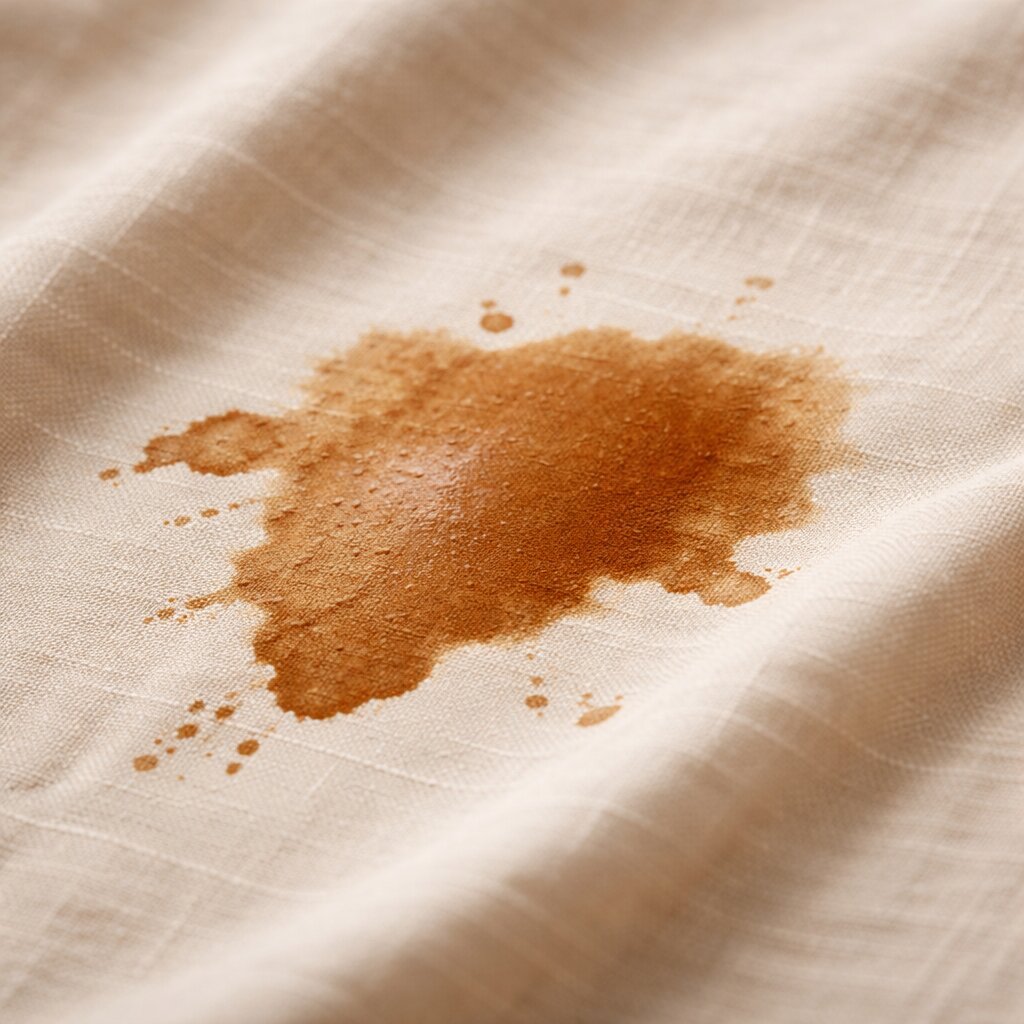
There’s no single approach that works across every fabric type or every age of stain. Cold water and dish soap can handle most fresh spills on cotton or polyester. Older stains on washable fabrics often call for white vinegar, an enzyme-based cleaner, or a diluted hydrogen peroxide solution, depending on the fabric.
The six methods below cover a range of conditions for coffee stain cleaning at home — from the first moments after a spill to stains that have already dried into the fabric.
- Cold water is the right starting point — hot water tends to set tannin-based stains deeper into fabric fibers.
- Most fresh coffee stains on washable fabrics respond well to dish soap or white vinegar when treated promptly.
- Dried or set stains generally need an enzyme cleaner or a hydrogen peroxide solution and a longer soak before laundering.
How to Remove Coffee Stains From Fabrics Using What You Already Have
Most of the methods that work on coffee stains rely on ingredients already in your kitchen or bathroom cabinet. The right choice depends on fabric type, stain age, and what’s on hand. Check your fabric care label before applying anything, and work in a well-ventilated area when using hydrogen peroxide.
Cold Water Flush: The First Move on a Fresh Spill
Speed matters more than any specific product when a spill just happens. The faster cold water moves through the back of the fabric, the less opportunity the tannins have to bond with the fibers.
Hold the stained area under a steady stream of cold water — running it through the back of the fabric rather than the front helps push the stain out rather than deeper in. Do not rub the stain; blot firmly with a clean white cloth to absorb excess liquid before and after rinsing. If discoloration remains after 30 to 60 seconds, follow up with dish soap before the fabric dries.
Keep the water temperature cold at every pre-treatment stage — even slightly warm water can accelerate tannin bonding. Hot water should only be used after the stain has been fully treated, and only if the care label allows it.
Dish Soap and Cold Water on Cotton and Synthetics
For fresh coffee stains on cotton, polyester, or most synthetic blends, liquid dish soap is a reliable first treatment. It contains surfactants that lift oily residue and organic matter from fabric — the same reason it works well on kitchen grease.
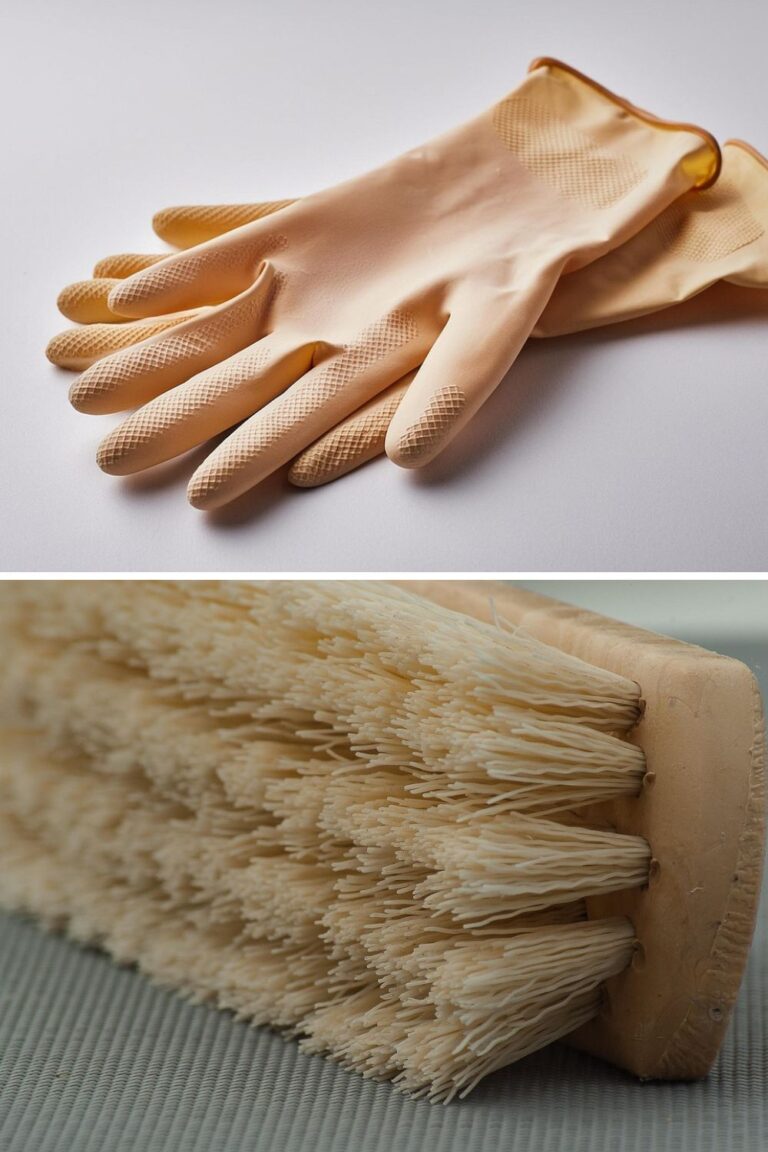
Apply a small drop directly to the wet stain. Work it gently into the fabric using your fingers or a soft-bristled brush, then rinse thoroughly with cold water. Repeat once or twice as needed before putting the item in the wash. A grease-cutting formula like Dawn Original tends to outperform milder dish soaps on this type of stain.
White Vinegar for Light Coffee Stains on Washable Fabrics
White vinegar is a mild acid that can help break down the tannin compounds left behind by coffee. It works reasonably well on light, relatively fresh stains on cotton, linen, and most synthetic blends. Spot-test on a hidden seam first, especially on colored fabrics.
Mix equal parts white vinegar and cold water. Apply to the stained area and let it sit for five to ten minutes. Blot with a clean cloth, then rinse thoroughly with cold water before laundering. If discoloration remains after washing, air dry and assess before applying heat.
Baking Soda for Absorbing a Fresh Spill Before It Sets
Baking soda doesn’t chemically break down coffee stains — it has no surfactants or enzymes — but it can be useful as an absorbent on a fresh, wet spill when the item can’t be immediately rinsed, such as a cushion cover or heavy upholstered fabric.
Sprinkle a generous layer directly over the wet spill and press gently with a dry cloth. Let it sit for three to five minutes to draw moisture up from the fabric. Scrape the powder off with a dull edge before rinsing — do not rub it in. Follow with cold water and dish soap as soon as the item can be rinsed properly.
Hydrogen Peroxide and Dish Soap for Dried Stains on Light Fabrics
Once a coffee stain has dried, it becomes more resistant to water-based rinsing alone. A mixture of hydrogen peroxide and dish soap can help lift dried discoloration from cotton and light-colored fabrics. Do not use this on dark or color-saturated fabrics, as hydrogen peroxide can cause fading.
Mix one tablespoon of dish soap with two tablespoons of 3% hydrogen peroxide. Apply directly to the dried stain and let it sit for 10 to 15 minutes. Blot, then rinse with cold water. Check under good lighting before laundering — if discoloration remains, repeat rather than sending it through a drying cycle.
Do not mix white vinegar and hydrogen peroxide in the same container. When combined, the two form peracetic acid — a corrosive compound that can irritate skin and airways and may damage fabric. If using both in a treatment sequence, rinse the fabric thoroughly between applications.
Enzyme Cleaner for Stubborn or Set Coffee Stains
Enzyme-based stain removers break down organic compounds, including the tannins in coffee. They’re worth reaching for when a stain has been through the dryer, gone untreated for several days, or hasn’t responded to simpler methods.
Apply an enzyme-based product directly to the stain per label instructions. Most require a dwell time of 10 to 30 minutes before rinsing. These are generally safe for cotton and synthetics; wool, silk, and delicate fibers should be handled separately.
What to Know Before Treating Coffee Stains on Delicate Fabrics
Silk, wool, and some rayon blends can’t handle the same approach as cotton. Strong cleaners, aggressive scrubbing, or excess water can cause irreversible damage to delicate fibers — fiber distortion, water rings, or color loss. The methods above are not appropriate for these materials without modification.
How to Treat Coffee Stains on Silk and Wool
Blot immediately with a dry cloth to absorb as much liquid as possible. If the care label permits water, dab a small amount of cold water mixed with a drop of gentle liquid soap — not dish soap — onto the stain and blot carefully. For anything labeled dry clean only, blot, air dry, and leave further treatment to a professional.
Why Skipping the Dryer Check Matters
Heat is what turns a treatable stain into a permanent one. Tannins bond to fabric under dryer heat, and repeated washing afterward may not fully reverse the discoloration. Air dry after laundering, check the stained area in good light, and rewash if any trace remains before applying heat.