How to Remove a Sink Stopper
Removing a sink stopper is a straightforward task that typically takes 10 to 20 minutes. It’s often necessary when the stopper is clogged with hair and soap buildup, moving sluggishly, or no longer seating properly in the drain.
The approach depends on the stopper type. Pop-up stoppers connected to a lift rod work differently from push-pull stoppers or simple drop-in types. The method also varies depending on whether the stopper lifts out freely or connects to a pivot rod assembly under the sink.
The steps below cover how to identify your stopper type, remove it with or without tools, and disconnect the pivot rod mechanism if needed for full removal.
Tools and Materials
Tools
- Adjustable pliers or slip-joint pliers
- Flashlight or headlamp
- Small bucket or towel
- Flathead screwdriver
Materials
- Drain cleaning brush or zip-it tool (if clearing a clog after removal)
- Plumber’s grease (for reassembly)
- Paper towels or rags
Optional
- Needle-nose pliers (for stubborn pivot rod clips)
- Plumber’s tape (if reassembling with threaded components)
How to Remove a Sink Stopper
Bathroom sink stoppers fall into three categories: lift-and-turn, push-pull, or pop-up stoppers connected to a lift rod and pivot rod. Each type removes differently. Identifying which you have before reaching for tools saves time.
Identifying Your Stopper Type
Look at the stopper and the area around your drain before doing anything else.
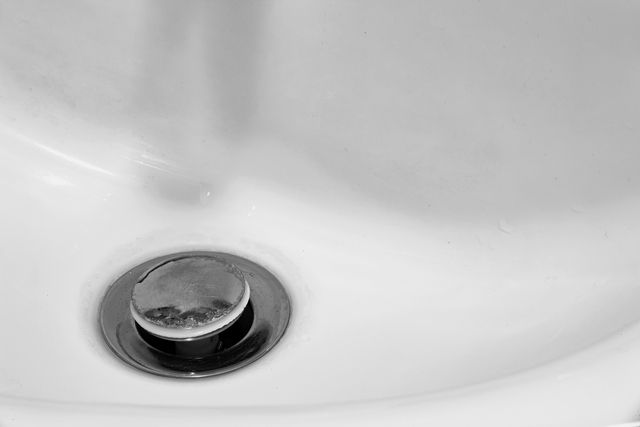
- Pop-up stopper with lift rod: Has a pivot rod running through the drain body under the sink, connected to the lift rod behind the faucet. The stopper typically has a small hole or notch at its base.
- Push-pull stopper: No visible linkage under the sink. Operates by pushing down to close, pulling up to open.
- Lift-and-turn stopper: Has a small set screw on the knob cap, or threads directly onto a post inside the drain.
- Drop-in stopper: Sits loosely in the drain with no connecting hardware. Lifts out by hand.
Check under the sink with a flashlight if you’re unsure. A pivot rod running horizontally into the drain pipe confirms a pop-up assembly.
How to Remove a Pop-Up Stopper (Pivot Rod Type)
This is a typical configuration in bathroom sinks. The stopper connects to a horizontal pivot rod that passes through the drain body and links to the lift rod via a clevis strap.
You will need: Adjustable pliers, small bucket or towel, flashlight, needle-nose pliers (optional)
- Lift the stopper as high as it will go by pulling up on the lift rod.
- Try rotating the stopper counterclockwise while lifting. Some pop-up stoppers unscrew from the pivot rod with a quarter to half turn.
- If the stopper doesn’t release by rotating, locate the pivot rod under the sink. It enters the drain body horizontally, typically 2 to 4 inches below the sink basin.
- Place a small bucket or towel under the P-trap area to catch any dripping water.
- Squeeze the spring clip on the pivot rod where it connects to the clevis strap. Slide the pivot rod out of the clevis strap.
- Do not pull the pivot rod out of the drain body yet. Water may still be sitting in the P-trap.
- Hold a rag around the pivot rod entry point, then carefully pull the pivot rod out of the drain body. A small amount of water may follow.
- Once the pivot rod is clear, the stopper lifts directly out of the drain from above.
If the stopper is corroded or stuck in the drain, try rotating it counterclockwise with gentle pressure before pulling straight up. Avoid forcing it — the drain body can crack on older fixtures.
How to Remove a Push-Pull Stopper
Push-pull stoppers typically unscrew from a threaded post inside the drain body. No under-sink access is required.
You will need: Flathead screwdriver, adjustable pliers (optional)
- Pull the stopper to its fully open (up) position.
- Hold the stopper body firmly and rotate it counterclockwise. It unscrews after two to four full rotations in many cases.
- If the stopper spins freely without releasing, a set screw may be securing the knob. Look for a small screw on the side of the stopper cap.
- Use a flathead screwdriver to loosen the set screw (counterclockwise). The cap and stopper shaft should then separate.
- Once the cap is off, grip the stopper shaft and unscrew it counterclockwise from the drain post.
If the stopper body rotates but won’t unscrew, hold the drain crossbars steady with needle-nose pliers to prevent the post from spinning.
How to Remove a Lift-and-Turn Stopper
Lift-and-turn stoppers are secured either by a set screw on the knob or by threading directly onto a center post in the drain.
You will need: Flathead screwdriver, adjustable pliers
- Lift the stopper to the open position.
- Rotate the top knob counterclockwise while holding the stopper body. On some models, the entire stopper unscrews from a threaded post.
- If the stopper doesn’t release by rotating, check for a small set screw on the knob’s side or base.
- Loosen the set screw with a flathead screwdriver — typically two to three turns counterclockwise. You do not need to remove it completely.
- Lift the knob straight off the shaft.
- Grip the stopper body and unscrew it counterclockwise from the drain post.
On older stoppers, the set screw may be corroded. Apply a small amount of penetrating oil and allow it to sit for five to ten minutes before attempting to loosen.
Removing a Drop-In Stopper
Drop-in stoppers have no connecting hardware. They rest in the drain opening by weight or friction alone.
- Grip the stopper body and lift straight up.
- If the stopper feels stuck, rotate it slightly counterclockwise while lifting. Soap buildup can create a mild suction seal.
These are typically found in kitchen sinks or older bath fixtures. No tools are required for removal.
After Removal: What to Check Before Reinstalling
Once the stopper is out, take a few minutes to inspect and clean the area before putting anything back.
- Clean the drain opening. Use a drain brush or zip-it tool to clear hair, soap residue, or debris from the drain body.
- Inspect the pivot rod and stopper for wear. A stopper that no longer seals properly is often due to a worn rubber seal or a bent pivot rod rather than the stopper itself.
- Check the clevis strap and spring clip. These small parts wear out over time. Replacements are inexpensive and typically sold individually or in stopper kits.
- Apply a small amount of plumber’s grease to the pivot rod before reinserting it. This reduces wear and makes future removal easier.
Reinstallation reverses the removal steps. When reinserting the pivot rod, make sure the rod tip passes through the hole in the stopper base before tightening the retaining nut. Test the lift rod operation before closing the cabinet.
Depending on your drain body material — plastic, chrome, or pot metal — thread engagement may feel different. Use hand-tight pressure and avoid overtightening, particularly on plastic components.
We hope you enjoyed this guide on how to remove a sink stopper. If you found it helpful, please share it on Facebook or Pinterest.