How to Clean White Shoes
White shoes show dirt, scuffs, and stains more readily than darker footwear. Dust accumulation, sidewalk grime, and grass stains tend to become visible after just a few wears. How to clean white shoes depends on the material type, as canvas, leather, and mesh require different approaches.
Canvas shoes tolerate scrubbing and water-based solutions, while leather needs gentler treatment to prevent cracking or discoloration. Mesh and knit materials require careful handling to avoid stretching. Rubber components can handle stronger cleaning agents than fabric uppers.
This guide covers methods for cleaning white shoes made from canvas, leather, mesh, suede, and rubber components. Different techniques correspond to specific material types or stain conditions. The information includes approaches for general dirt removal, targeted stain treatment, and yellowing caused by age or sun exposure.
Why White Shoes Need Regular Cleaning
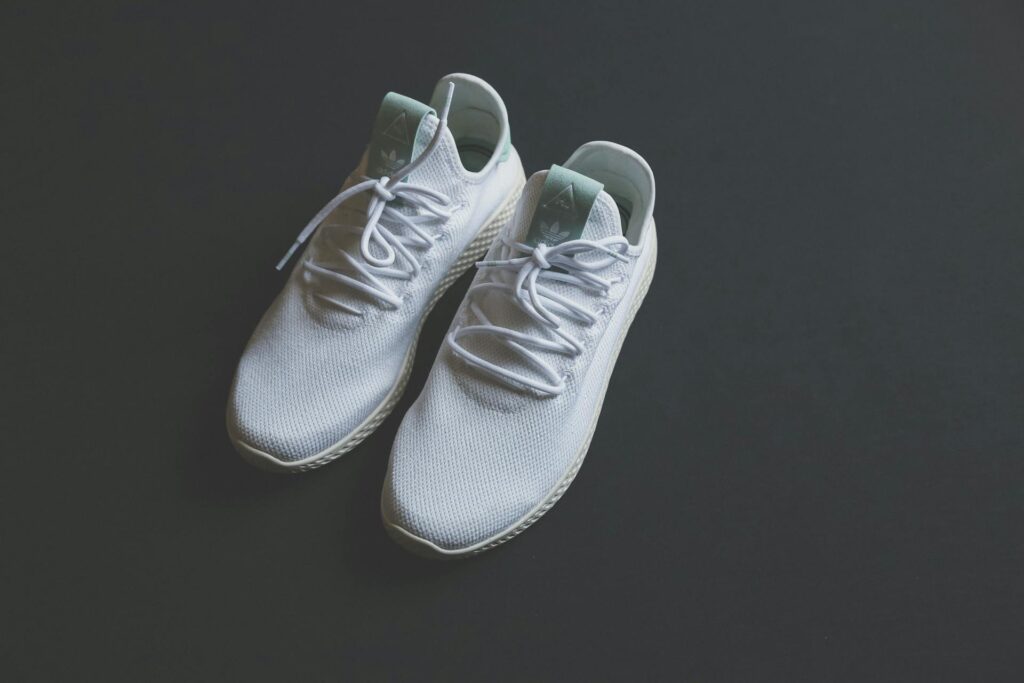
White shoes accumulate visible dirt from normal wear. Dust, mud, and oil transfer from surfaces create discoloration that darkens the appearance over time.
Regular cleaning helps maintain the original color and prevent buildup from becoming embedded in fabric or leather fibers. Most staining becomes harder to address after multiple wear cycles without treatment.
How to Clean White Shoes
Different shoe materials respond to different cleaning agents and techniques. Canvas tolerates water-based solutions, while leather requires gentler moisture levels. The methods below address white shoe types and the cleaning approaches that typically work for them.
Cleaning White Canvas Shoes with Baking Soda
Baking soda paste can be used to clean white shoes with canvas uppers. Mix three parts baking soda with two parts water to form a thick paste with a consistency similar to toothpaste.
Apply the paste to stained areas using an old toothbrush. Scrub in circular motions, working the paste into the fabric weave. Focus on high-traffic areas like the toe box and heel counter where dirt accumulates most.
Let the paste sit for 15 minutes to break down embedded grime. Rinse with cold water and air dry away from direct heat. Stuffing the shoes with white paper towels helps them maintain shape while drying.
Also Read: How to Clean Your Stovetop with Dish Soap and Baking Soda
How to Clean White Leather Shoes
Leather white shoes require less moisture than canvas versions. Excess water can cause leather to crack, warp, or develop water spots that are difficult to remove.
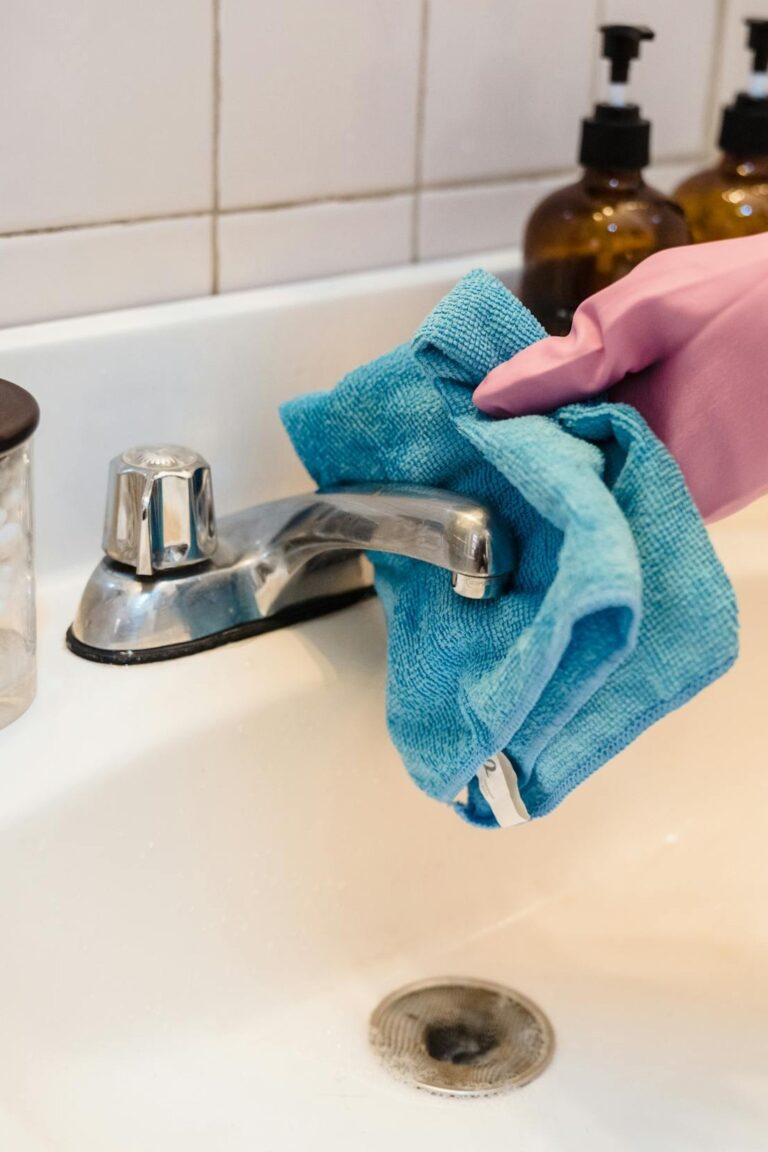
Use a microfiber cloth dampened with water and a small amount of mild dish soap. Wring out the cloth thoroughly before wiping to avoid saturating the leather. Wipe the surface gently in straight strokes to lift dirt without pushing it deeper into the grain.
For scuffs, a white vinyl eraser often removes marks without liquids. Rub gently in one direction rather than circular motions. Dry with a clean cloth immediately after cleaning to prevent water absorption. Allow leather shoes to air dry completely before wearing, typically 12 to 24 hours.
Cleaning White Shoes with Vinegar and Water
White vinegar diluted with equal parts water helps clean white shoes made from canvas and synthetic materials. The acidity cuts through soap buildup and mineral deposits that plain water leaves behind.
Mix equal amounts of white vinegar and water in a small bowl. Dip a soft brush into the solution and work it into stained sections using back-and-forth motions. This mixture should be tested on a hidden area first, as some dyes may react to the acid.
Focus on areas with visible discoloration or sticky residue. The vinegar smell usually dissipates as the shoes dry, but rinsing thoroughly speeds up the process. Rinse with clean water and blot with a towel to remove excess moisture.
How to Clean White Mesh Shoes
Mesh white shoes require gentle handling to avoid stretching or tearing the delicate weave. The open structure of mesh makes it prone to snagging when scrubbed aggressively.
Use a soft-bristled brush with a solution of water and laundry detergent mixed at half the normal concentration. Dab the brush onto stained areas rather than scrubbing in circular motions. Work from the outside edges of stains toward the center to prevent spreading.
Focus on surface dirt rather than deep scrubbing, which can damage the mesh structure. Rinse by dabbing with a cloth dampened in clean water rather than running the shoes under a faucet. Allow mesh to air dry completely, as heat can warp the material and cause it to lose its shape. Drying typically takes 24 to 48 hours depending on humidity.
Also Read: 10 Countertop Materials and How to Clean Each One Properly
Cleaning White Rubber Soles and Toe Caps
Rubber components on white shoes tolerate stronger cleaning methods than fabric uppers. The non-porous surface resists moisture damage and handles scrubbing pressure better than woven materials.
A magic eraser helps remove scuff marks and reduce yellowing from rubber surfaces without chemical cleaners. Dampen the eraser slightly and rub it across discolored areas using moderate pressure. The melamine foam acts as a fine abrasive that lifts embedded dirt.
For deeper stains, mix baking soda and hydrogen peroxide into a paste. Apply the mixture to yellowed rubber and let it sit for 10 minutes before scrubbing with an old toothbrush. Avoid using bleach on colored rubber trim, as it may cause discoloration. The paste can be left on stubborn stains for up to 30 minutes before rinsing.
How to Clean White Knit Shoes
Knit materials on white shoes tend to stretch when wet and require careful handling. The interlocking loops that create knit fabric lose their tension when saturated, leading to permanent shape changes.
Remove loose dirt with a dry brush before applying any liquid to clean white shoes with knit construction. Brush in the direction of the knit pattern rather than against it. Mix a small amount of mild detergent with cool water in a ratio of one teaspoon per cup.
Use a cloth to blot the solution onto stains rather than soaking the knit. Apply light pressure and avoid twisting or pulling the fabric. Press with a dry towel to absorb excess moisture immediately after treating stains. Stuff shoes with white tissue paper to maintain shape during drying, which can take up to 48 hours.
Clean White Shoes with Toothpaste for Small Scuffs
Non-gel white toothpaste works as a spot treatment to clean white shoes with minor marks. The mild abrasives designed for tooth enamel are gentle enough for most shoe materials.
Apply a small amount directly to the scuff using your finger or a cotton swab. Rub with a damp cloth or soft brush in small circles for 30 seconds to one minute. The combination of gentle abrasion and mild detergents in toothpaste lifts surface stains without harsh chemicals.
Wipe away residue with a clean, damp cloth immediately after scrubbing. Leaving toothpaste on the surface can create a white film that collects more dirt. This method works well on rubber, canvas, and synthetic leather but should be avoided on genuine leather or suede.
Also read: 7 Simple Fixes to Clean Toothbrush Holder Grime
How to Clean White Suede Shoes
Suede white shoes cannot handle water-based cleaning methods. The napped surface absorbs moisture quickly, creating permanent dark spots and stiff patches that cannot be reversed.
Use a suede brush or clean pencil eraser to lift dirt from the nap. Brush in one direction to avoid matting the fibers or creating shiny spots. Work gently to restore the raised texture without damaging the delicate surface.
Machine Washing Canvas White Shoes
Some canvas white shoes can be machine washed, but this method carries risks including glue separation and fabric damage. Check the care label before attempting this approach, as not all canvas shoes are machine-safe.
Remove laces and insoles first to clean them separately. Laces can be washed in a mesh bag or by hand, while insoles should be scrubbed with a brush and mild detergent.
Place shoes in a mesh laundry bag or pillowcase tied closed to reduce impact against the drum. Add several towels to the load to cushion the shoes and balance the machine. Use cold water and a gentle cycle with half the normal detergent amount, as excess soap leaves residue.
Air dry only—machine drying can crack adhesives and warp shoe shape. Stuffing shoes with white towels helps them maintain form during the drying process, which typically takes 24 to 48 hours.
Using Hydrogen Peroxide to Clean White Shoes Yellowing
Yellowing on white shoes often results from oxidation or prolonged sun exposure. The white material develops a yellow or beige tint over time, particularly on older shoes or those stored in humid conditions.
Hydrogen peroxide can lighten these areas when cleaning white shoes made from canvas and some synthetics. Mix equal parts hydrogen peroxide (3% concentration) and water in a small bowl. Test the solution on an inconspicuous area first to check for adverse reactions.
Apply with a cloth to yellowed sections and let sit for 30 minutes in indirect sunlight, which activates the peroxide’s bleaching properties. Direct sunlight can damage certain materials, so place shoes near a window rather than outside. Rinse thoroughly and dry completely afterward. Repeat the treatment if yellowing persists, allowing 24 hours between applications.
Also Read: How to Remove Food Residue From Cutting Boards
Mistakes to Avoid When Cleaning White Shoes
Using hot water to clean white shoes can set stains rather than remove them. Heat activates proteins in many stains, bonding them more firmly to fabric fibers.
Bleach is often applied to white shoes, but it weakens fabric and causes yellowing on certain materials. Canvas may turn yellow after bleach exposure, particularly if not rinsed completely. Stick to milder cleaning agents unless the shoe care label specifically recommends bleach.
Over-saturating white shoes leads to longer drying times and potential mold growth. Apply cleaning solutions sparingly and blot excess moisture immediately. Stuffing shoes with paper towels during drying helps maintain shape and absorbs internal moisture.
Skipping the dirt removal step before wet cleaning grinds particles deeper into material. Always brush away loose dirt and debris before applying any liquid cleaner. This helps prevent mud from spreading across clean areas during the cleaning process.
We hope you enjoyed this article on how to clean white shoes at home. If you found these cleaning tips helpful, share them with your friends on Facebook and Pinterest!