How to Clean Laminate Flooring
Laminate flooring requires specific cleaning approaches that differ from hardwood or tile. The protective wear layer can be damaged by excessive moisture, harsh chemicals, or abrasive tools, which means standard mopping methods don’t always apply.
Cleaning laminate floors effectively involves selecting products and techniques that remove dirt without saturating the planks or stripping the finish. Different household situations—from light dust to tracked-in mud—require different levels of intervention.
This guide covers dry cleaning methods, damp mopping techniques, and targeted stain removal approaches that work within the material’s limitations.
How to Clean Laminate Flooring Using Different Methods
The approaches below address varying levels of soil and different cleaning needs. Laminate’s moisture sensitivity means dry methods are often preferable for routine maintenance, while damp cleaning handles heavier buildup when done carefully.
How to Clean Laminate Floors Daily Without Water
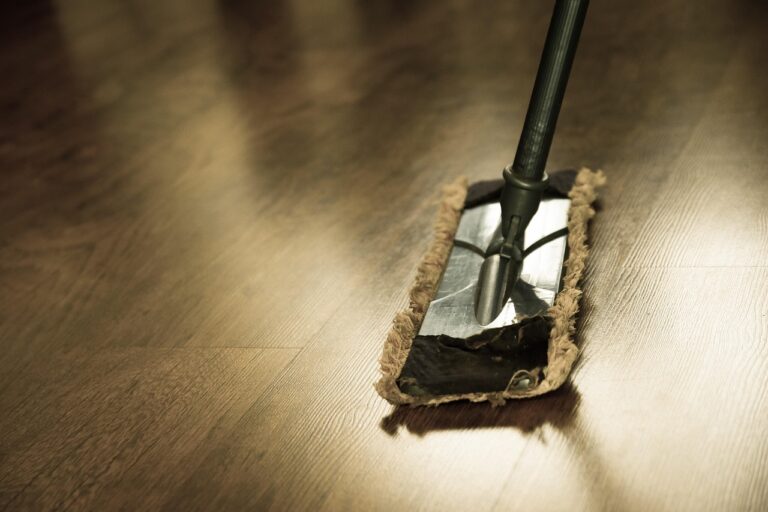
Dry cleaning removes surface debris without introducing moisture. A microfiber dust mop or soft-bristle broom picks up dirt, dust, and grit that can scratch the wear layer if ground underfoot.
Sweep or dust mop high-traffic areas daily to prevent abrasive particles from accumulating. Static-attracting microfiber heads collect fine dust more effectively than traditional brooms, which tend to push particles around rather than capturing them.
For laminate flooring in entryways or kitchens, twice-daily dry cleaning may be necessary during wet seasons when tracked-in debris increases.
How to Clean Laminate Flooring with a Vacuum
Vacuuming works well for homes with carpeted adjacent rooms where fine particles settle into plank seams. Use a vacuum with a hard floor setting or disable the beater bar, as rotating brushes can scratch the surface.
Canister vacuums with smooth floor attachments or stick vacuums designed for hard surfaces typically perform better than upright models with aggressive brush rolls. Turn off motorized brushes before running the vacuum over laminate to avoid surface damage.
Empty the vacuum canister or bag when it reaches half capacity—reduced suction leaves dirt behind and requires multiple passes that increase wear.
Clean Laminate Flooring with a Damp Mop
Damp mopping addresses soil that dry methods can’t remove, such as sticky residue or tracked-in mud. Laminate manufacturers typically recommend pH-neutral cleaners formulated specifically for laminate or sealed wood floors.
Mix the cleaner according to bottle instructions—usually one to two tablespoons per gallon of water. Wring the mop until it’s barely damp, not dripping. Excess water can seep into seams and cause plank swelling or delamination, particularly in click-lock installations without sealed edges.
Mop in the direction of the plank pattern rather than across seams. This reduces the chance of forcing water into joints.
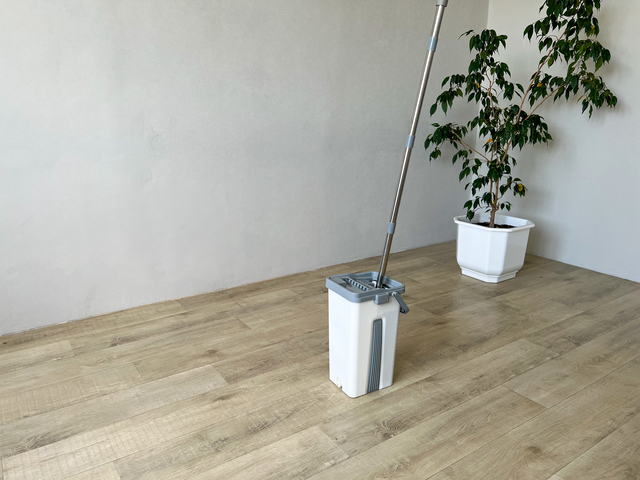
How to Clean Laminate Floors with a Spray Mop
Spray mops deliver cleaning solution directly to small floor sections, which helps control moisture levels. These tools use refillable bottles and washable microfiber pads rather than traditional string mops that hold excess water.
Spray a light mist onto a 3-by-3-foot area, then immediately wipe with the microfiber pad. The limited solution volume reduces saturation risk while still lifting dirt and grime.
Replace or wash the microfiber pad after cleaning 200–300 square feet, or when it appears visibly soiled. Dirty pads spread grime rather than removing it and can leave streaks on the floor’s finish.
Clean Laminate Flooring Scuff Marks and Stains
Rubber heel marks, crayon, or adhesive residue often resist routine mopping. A small amount of isopropyl alcohol (70% concentration) on a soft cloth typically lifts these marks without damaging laminate’s protective layer.
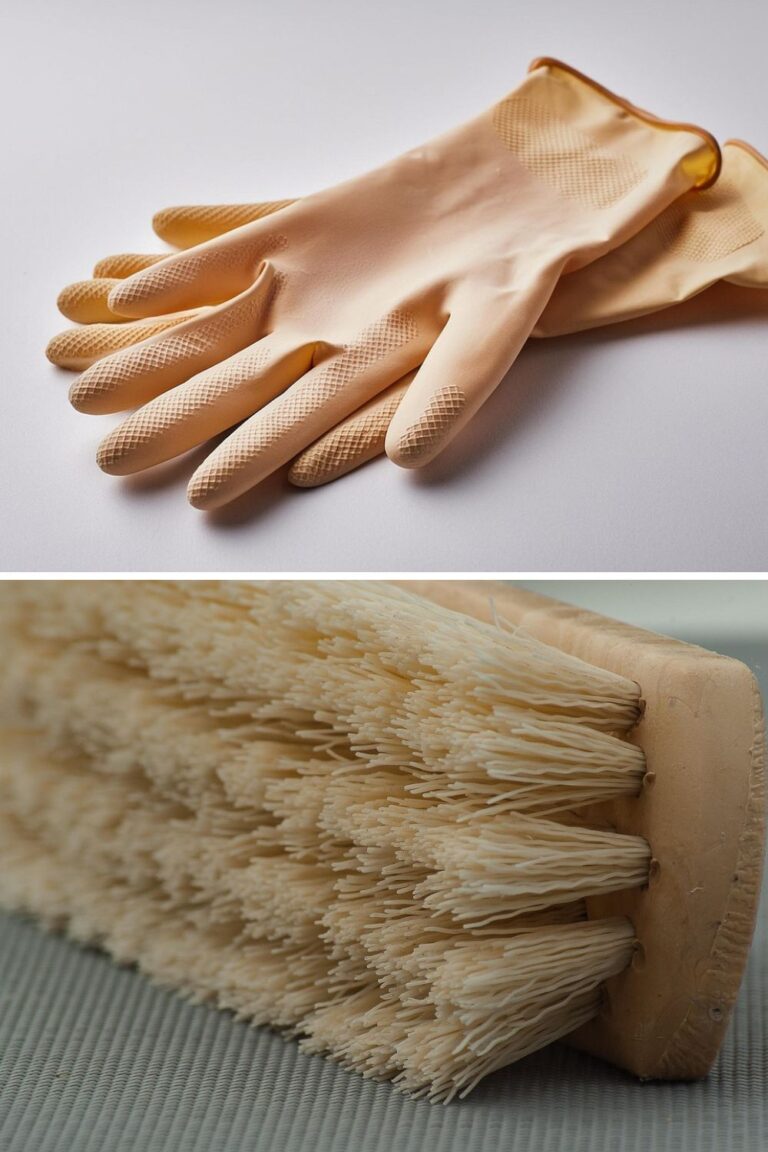
Work in a well-ventilated area when using isopropyl alcohol. Wear gloves if you have sensitive skin, and avoid prolonged skin contact. Keep children away from the cleaning area until the alcohol has fully evaporated.
Test alcohol-based cleaning in an inconspicuous area first, such as inside a closet or under furniture, to confirm it doesn’t dull the finish. Some laminates with matte or textured surfaces may show slight discoloration.
For sticky residues like tape or label adhesive, gently rub with a plastic scraper held at a shallow angle. Metal tools can gouge the wear layer and create permanent marks.
How to Clean Greasy Laminate Flooring in Kitchens
Cooking oils and food spills create slick patches that attract additional dirt. A few drops of dish soap mixed into warm water helps break down grease without leaving a film.
Dampen a microfiber cloth with the soapy solution and wipe the affected area. Follow immediately with a clean, damp cloth to remove soap residue, then dry with a towel. Soap buildup creates a hazy appearance and makes floors feel sticky, so thorough rinsing is necessary.
This approach works particularly well for kitchen areas where splatter and drips are common.
How to Clean Laminate Floors with Heavy Dirt Buildup
Floors with accumulated grime from neglected cleaning or construction dust require more intensive treatment. Start with thorough dry sweeping or vacuuming to remove loose particles.
Use a laminate-specific cleaner at slightly higher concentration—consult the product label for heavy-duty dilution ratios. Work in small sections, applying minimal moisture and wiping immediately with a clean microfiber cloth.
Make two passes: one with the cleaning solution and one with plain water to remove residue. Cleaning laminate flooring with excessive product can leave a dulling film that requires additional passes to eliminate.
Clean Laminate Flooring in High Traffic Areas
Entryways and hallways experience more frequent soiling and require adjusted cleaning schedules. Dry cleaning twice daily prevents tracked-in debris from scratching the surface.
Place entry mats both outside and inside exterior doors—the outdoor mat scrapes off larger debris, while the indoor mat absorbs remaining moisture and fine grit. Shake mats out daily to prevent dirt accumulation underneath.
Address liquid spills immediately—standing moisture can seep into seams within minutes. Blot spills with paper towels, then wipe with a barely damp cloth and dry thoroughly.
How to Clean Laminate Floors After Installation
New laminate often has construction dust or adhesive residue in seams and on the surface. Begin with thorough vacuuming using a soft brush attachment to remove particulates from grooves.
Damp mop with plain water first to lift remaining dust without adding chemicals. If residue persists, use a manufacturer-recommended cleaner diluted according to label instructions.
Some installers leave a protective film that creates a hazy appearance. This typically requires only water and a microfiber mop to remove—cleaners may not be necessary.
Maintaining Laminate Floors Between Cleanings
Regular light cleaning reduces the need for intensive scrubbing that can wear down the protective layer over time. Preventing dirt accumulation is more effective than removing heavy buildup after it sets.
Small adjustments to household routines make maintenance less labor-intensive and extend the floor’s appearance. Clean laminate flooring with appropriate tools and products to avoid voiding manufacturer warranties.
Choosing Cleaning Tools for Laminate Floors
String mops and sponge mops typically hold too much water for laminate floors. Microfiber flat mops or spray mops provide controlled moisture application.
Avoid abrasive scrub brushes or steel wool pads, which scratch the wear layer. Soft-bristle brushes work for textured laminate that traps dirt in surface grooves.
Replace worn mop heads regularly—frayed fibers can scratch and degraded material loses absorbency, leaving excess water on the floor.
What Cleaners to Avoid on Laminate Floors
Oil-based soaps, wax products, and polishes create buildup that dulls laminate’s factory finish. These products are designed for wood flooring and don’t bond properly to laminate’s plastic wear layer.
Ammonia-based glass cleaners can break down the protective coating over time. Bleach and other harsh chemicals may discolor the decorative layer beneath the clear coating.
Food-based cleaning solutions can leave sticky residue or attract insects. Stick to products specifically formulated for laminate or pH-neutral hard floor cleaners.
We hope you enjoyed this guide on how to clean laminate flooring. If you found it helpful, please share it with your friends on Facebook and Pinterest!