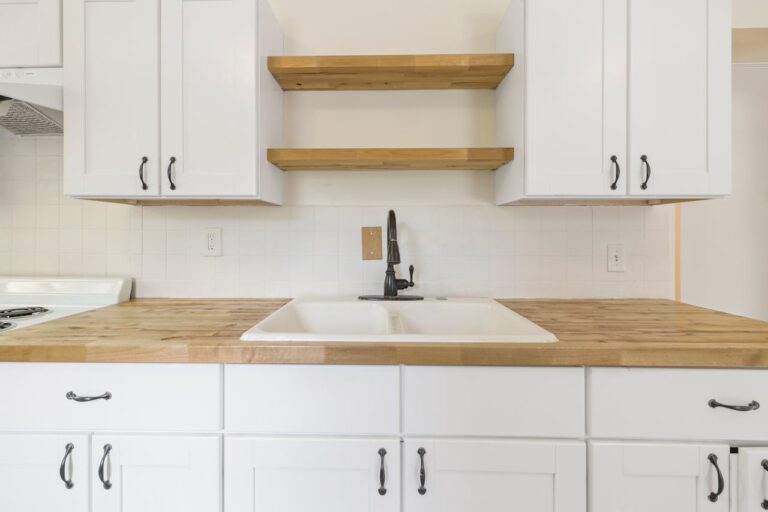
How to Clean Kitchen Countertops With a Microfiber Cloth
Microfiber cloths are a practical choice for daily and weekly countertop maintenance. They lift and trap debris, moisture, and surface bacteria without scratching most countertop materials. Knowing how to clean kitchen countertops with a microfiber cloth correctly helps avoid streaking, cross-contamination, and surface damage over time.
The right cleaning approach depends on the countertop material. Stone surfaces like granite and marble require pH-neutral cleaners. Laminate and solid surface materials tolerate mild all-purpose cleaners. Using the wrong product—even with the right cloth—can cause dulling, etching, or finish degradation on some surfaces.
The steps below cover daily wipe-downs, deeper cleaning routines, and material-specific adjustments. Tools, materials, and technique vary slightly by surface type, so check the appropriate section before starting.
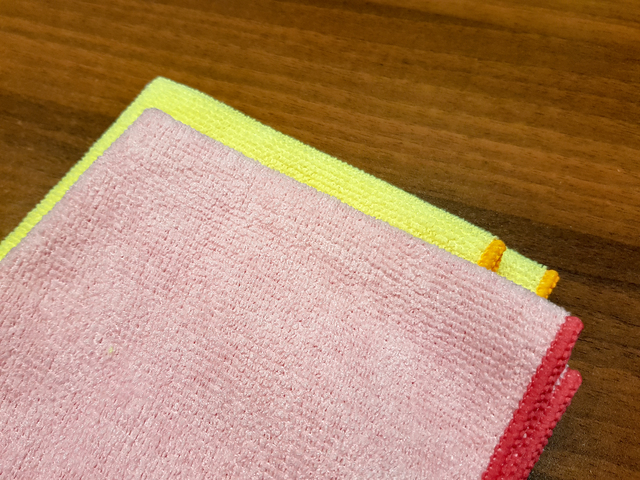
Tools and Materials
Tools
- Microfiber cloth (clean, dry)
- Secondary microfiber cloth (for drying or buffing)
- Spray bottle (if using diluted cleaner)
- Soft-bristled brush or wooden skewer (for grout lines or seams, if needed)
Materials
- pH-neutral dish soap
- Warm water
- Stone-safe cleaner (for natural stone surfaces)
- All-purpose cleaner (for laminate, solid surface, quartz)
- Rubbing alcohol (70% isopropyl, for spot disinfection)
Optional
- Disinfectant spray (countertop-safe formulation)
How to Clean Kitchen Countertops With a Microfiber Cloth
Microfiber cloths work on most countertop surfaces when paired with appropriate cleaning solutions. The method applies to routine maintenance as well as more thorough cleaning after food prep. Technique matters: wiping in consistent, overlapping strokes reduces streaking and moves debris off the surface rather than redistributing it.
Daily Wipe-Down on Most Countertop Surfaces
This routine applies to laminate, solid surface (such as Corian), quartz, and sealed granite after everyday use—spills, crumbs, and light grease.
You will need:
- 1 clean microfiber cloth
- Warm water
- A few drops of pH-neutral dish soap or a countertop-safe spray
- Clear loose crumbs or debris from the surface using a dry cloth before wiping. This prevents small particles from scratching during the cleaning pass.
- Dampen the microfiber cloth with warm water. Wring it out thoroughly. The cloth should be damp, not dripping.
- Add one or two drops of dish soap directly to the cloth, or lightly spray the countertop with an all-purpose or stone-safe cleaner.
- Wipe across the surface in long, overlapping strokes. Start at the back edge and work toward the front to push debris off the counter.
- Rinse the cloth with clean water and wring it out again. Make a second pass to remove any soap residue.
- Dry the surface with a second clean microfiber cloth. Leaving water to air-dry can leave streaks or mineral deposits, particularly on dark surfaces.
If streaks remain after drying, lightly buff the surface with a dry microfiber cloth in small circular motions.
Deeper Cleaning After Heavy Use
Use this approach after food prep involving raw meat, heavy grease, or sticky spills. It also applies when the daily method leaves residue or the surface looks dull.
You will need:
- 2 microfiber cloths
- All-purpose cleaner or stone-safe spray
- Rubbing alcohol (70% isopropyl) for disinfection step
- Warm water
- Remove all items from the countertop. Crumbs and objects left on the surface can trap cleaning solution and cause uneven results.
- Spray the surface lightly with an appropriate cleaner for your countertop material. Do not soak the surface—excess liquid can seep into seams on laminate or affect grout lines on tile.
- Let the cleaner sit for 30–60 seconds, depending on product instructions. This dwell time helps break down grease.
- Wipe with a damp microfiber cloth using firm, overlapping strokes. Fold the cloth into quarters so you’re working with a clean face as it picks up residue.
- If disinfection is needed after raw meat contact, apply 70% isopropyl alcohol to a clean microfiber cloth and wipe the affected area. Allow it to air-dry for at least 30 seconds before wiping again.
- Rinse the surface with a fresh damp cloth to remove any remaining cleaner.
- Dry thoroughly with a second microfiber cloth.
If grease remains near the backsplash or in crevices, apply a small amount of dish soap directly to the area and work it in with a soft brush before wiping.
Cleaning Natural Stone Countertops (Granite, Marble, Quartzite)
Natural stone is porous and sensitive to acidic or alkaline cleaners. Avoid lemon-based sprays or standard all-purpose cleaners on unsealed or polished stone. These can etch the surface over time.
You will need:
- 2 microfiber cloths
- Stone-safe pH-neutral cleaner
- Warm water
- Wipe away loose debris with a dry cloth before applying any liquid.
- Spray the stone surface lightly with a pH-neutral stone cleaner. Many stone fabricators recommend cleaners specifically labeled for natural stone.
- Wipe with a damp microfiber cloth in long, consistent strokes. Avoid scrubbing in circles on polished marble, which can dull the finish with repeated use.
- Do not let cleaning solution pool near the sink edge or in seams. Prolonged moisture can affect the sealant.
- Buff dry immediately with a clean, dry microfiber cloth.
- Inspect for streaks. A second dry pass typically clears them.
On honed or matte-finish stone, streaks are less visible but residue buildup is more common. Wipe down more frequently and avoid soap-based cleaners that leave a film.
Spot-Cleaning Laminate and Tile Countertops
Laminate handles most household cleaners without damage. Tile is durable but grout lines are porous and may stain. Adjust technique accordingly.
You will need:
- 1–2 microfiber cloths
- All-purpose cleaner
- Soft-bristled brush (for grout lines, if needed)
- Spray the stained area lightly with an all-purpose cleaner.
- Let the solution sit for 30 seconds.
- Wipe with a damp microfiber cloth using light pressure on laminate to avoid dulling the surface.
- For tile grout lines, work a small amount of cleaner in with a soft brush before wiping. A microfiber cloth alone will not reach into grout effectively.
- Rinse with a clean damp cloth and dry thoroughly.
Laminate seams near the sink are vulnerable to water intrusion. Avoid leaving wet cloths sitting on seams, and dry the area promptly after cleaning.
Microfiber Cloth Care and Replacement
How well a microfiber cloth cleans depends almost entirely on how well it’s maintained. A degraded or dirty cloth can redistribute grease, deposit lint, or lose the fine fiber structure that lifts debris. Proper washing and storage extend usable life and maintain cleaning performance.
Washing After Each Use
Microfiber cloths used on countertops pick up grease, cleaning solution residue, and food particles. Reusing an unwashed cloth spreads that contamination to clean surfaces.
- Machine wash in warm water—not hot. High heat can damage the synthetic fiber structure over time.
- Use a small amount of liquid laundry detergent. Powder detergents may leave residue in the fibers.
- Do not use fabric softener or dryer sheets. These coat the fibers and significantly reduce the cloth’s ability to absorb and trap particles.
- Wash microfiber cloths separately from cotton towels, sponges, or lint-producing fabrics. Cotton lint embeds in microfiber and is difficult to remove.
Drying
- Air-dry when possible. Hang the cloth in a well-ventilated area after washing.
- If machine drying, use low heat only. Tumble drying on high heat accelerates fiber breakdown.
- Do not iron microfiber cloths. Direct heat flattens and fuses the fibers, reducing effectiveness.
Storage
- Store clean cloths in a dry location. Folding damp or slightly moist cloths and storing them enclosed can lead to mildew odor.
- Keep countertop cloths separate from cloths used on floors, appliances, or bathrooms. Color-coding by task is a practical way to prevent cross-contamination.
- A simple system: designate one color for food-contact surfaces, another for general cleaning.