How to Clean Glass Stovetop
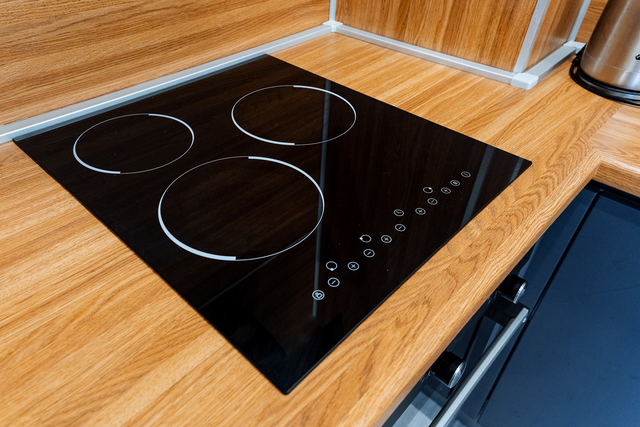
Glass stovetops accumulate grease, food residue, and burnt-on stains with regular cooking. Cleaning a glass stovetop requires matching the method to the type and age of the soil present. Fresh spills respond to mild detergent and a soft cloth. Older, baked-on deposits typically need a ceramic cooktop cleaner or a razor scraper used carefully.
The cleaning approach also depends on how consistently the surface is maintained. A stovetop wiped down after each use rarely develops the hardened layers that require more involved treatment. Neglected surfaces—with burnt sugar, grease buildup, or boiled-over liquids—usually need more time and a few additional steps.
The steps below cover routine maintenance cleaning, removal of baked-on residue, and treatment of stubborn stains and discoloration. Each section includes a materials list and step-by-step instructions adjusted to the condition of the surface.
Tools and Materials
Tools
- Soft microfiber cloths
- Non-scratch sponge
- Single-edge razor blade scraper (rated for glass or ceramic cooktops)
- Spray bottle
Materials
- Dish soap or mild liquid detergent
- Ceramic cooktop cleaner
- Paper towels
- Warm water
Optional
- Cooktop polish or conditioner
- Plastic scraper (for lighter residue)
How to Clean a Glass Stovetop
Not every job on a glass stovetop requires the same approach or the same products. Light, fresh spills call for a simple wipe-down with mild soap and water. Burnt-on food and grease typically need a dedicated cooktop cleaner and some dwell time before scrubbing. Matching the method to the soil reduces the risk of scratching the surface or leaving a residue behind.
Routine Glass Stovetop Cleaning After Each Use
This method applies to fresh spills, light grease, and general surface maintenance. It works when the glass stovetop is cleaned while still slightly warm or after it has cooled fully.
You will need:
- Soft microfiber cloth or non-scratch sponge
- Dish soap
- Warm water
- Dry microfiber cloth
Steps:
- Allow the stovetop to cool completely before cleaning. Do not apply water or cleaner to a hot glass surface — thermal shock can crack the glass.
- Dampen a microfiber cloth with warm water and a small amount of dish soap.
- Wipe the surface using light, circular motions across the entire cooktop.
- Rinse the cloth and wipe away any soap residue.
- Dry the surface with a clean, dry microfiber cloth to prevent water spots.
If a light film of grease remains after wiping, apply a small amount of ceramic cooktop cleaner and buff with a clean cloth.
Removing Baked-On Residue from a Glass Stovetop
This method applies when food has cooked onto the glass stovetop surface and does not lift with soap and water alone. It typically involves a ceramic cooktop cleaner and a razor scraper for hardened deposits.
You will need:
- Ceramic cooktop cleaner
- Non-scratch sponge or soft cloth
- Single-edge razor blade scraper rated for glass
- Microfiber cloths
- Warm water
Steps:
- Confirm the stovetop is completely cool before starting.
- Apply a small amount of ceramic cooktop cleaner directly to the stained area.
- Spread the cleaner in a thin, even layer using a damp cloth or sponge.
- Allow the cleaner to sit for 1–3 minutes. Longer dwell time helps loosen heavier deposits.
- Scrub gently using a non-scratch sponge in small, circular motions.
- For hardened, raised deposits that do not respond to cleaner alone, hold the razor scraper at a 45-degree angle to the surface. Use only a scraper labeled safe for ceramic or glass cooktops — standard utility blades can scratch the glass permanently.
- Apply light, even pressure and push the scraper under the deposit in a forward motion. Avoid a back-and-forth sawing motion.
- Wipe away loosened material with a damp cloth.
- Reapply cooktop cleaner as needed and buff to a clean finish with a dry microfiber cloth.
If residue reappears after the surface dries, repeat the scraper step before applying cleaner a second time. Heavily burnt deposits may require two or three passes.
Treating Stubborn Stains on a Glass Stovetop
Discoloration, white mineral haze, and staining from sugar or acidic foods sometimes persist after standard glass stovetop cleaning. A dedicated ceramic cooktop cleaner applied with dwell time is typically the appropriate next step.
You will need:
- Ceramic cooktop cleaner
- Non-scratch sponge or soft cloth
- Microfiber cloths
- Warm water
- Cooktop polish or conditioner (optional)
Steps:
- Confirm the glass stovetop surface is cool and dry before starting.
- Apply a generous amount of ceramic cooktop cleaner directly over the stained or discolored area.
- Spread evenly with a damp cloth and allow to sit for 5–10 minutes.
- Scrub in small, circular motions using a non-scratch sponge.
- Wipe away all cleaner residue with a clean, damp cloth. Rinse the cloth and repeat to ensure no film remains.
- Dry thoroughly with a clean microfiber cloth.
- If discoloration persists, apply a cooktop polish or conditioner and buff according to the product directions.
A cooktop polish or conditioner can help restore surface clarity after heavy cleaning, though results vary depending on the depth of the discoloration.
What to Avoid When Cleaning a Glass Stovetop
Certain products and tools are likely to scratch, etch, or permanently damage the surface. Avoiding them reduces the risk of cosmetic damage that cleaning alone cannot reverse.
Do not use:
- Steel wool or abrasive scrubbing pads
- Scouring powders such as Comet or Ajax
- Bleach-based cleaners
- Standard utility razor blades not rated for glass or ceramic
- Ammonia-based glass cleaners — these may streak and leave a residue film
Use caution with:
- Excessive water near burner edges — moisture in certain areas can cause issues depending on the stovetop model
- Ceramic cooktop cleaner on warm surfaces — allow the glass stovetop to cool fully before applying any product
Cleaning the stovetop after each use typically prevents the kind of buildup that requires abrasive methods. Lighter, more frequent cleaning is generally more effective than infrequent deep cleaning sessions. Keeping a microfiber cloth and a small amount of dish soap near the stove makes routine glass stovetop maintenance easier to maintain consistently.