How to Clean Dusty Baseboards
Baseboards tend to collect dust faster than most surfaces in your home. The layer builds gradually, sometimes going unnoticed until you spot it in certain lighting. Cleaning them doesn’t require specialty products or complicated techniques—just a few common household items and a straightforward approach.
What Makes Baseboards Collect So Much Dust
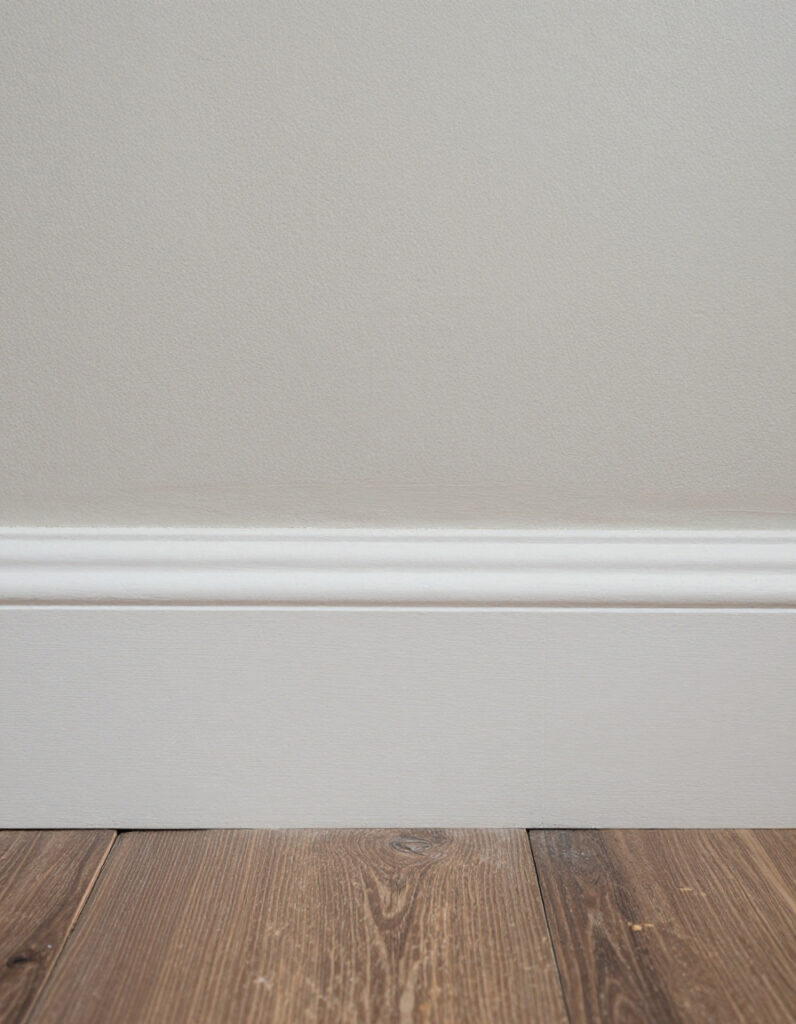
Baseboards sit at floor level where air circulation naturally deposits particles. Heating and cooling systems push air along walls, and dust settles on these horizontal ledges. Fabric fibers, outdoor particles, and everyday household activity all contribute to the buildup.
Textured or grooved baseboards tend to trap more dust than smooth ones. The ridges create small pockets where particles accumulate. Homes with carpet may notice more buildup since vacuuming can kick dust onto nearby surfaces.
Supplies You’ll Want for Cleaning Dusty Baseboards
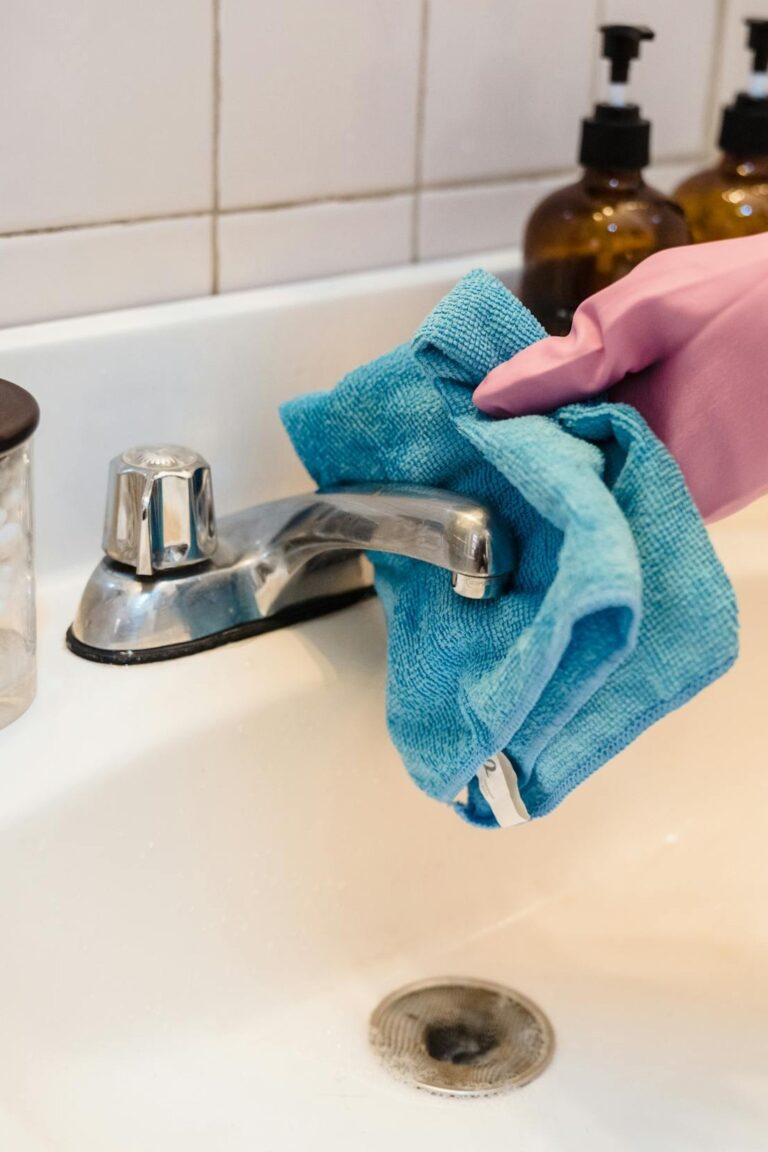
Gathering supplies beforehand makes the task move more smoothly. A microfiber cloth works well for most baseboards since the fibers catch and hold dust rather than spreading it around. An extendable duster with a flat head can help you work without bending constantly.
For damp cleaning, warm water in a bucket or spray bottle does the job. Add a small amount of dish soap or all-purpose cleaner if you’re dealing with sticky residue or grime beyond simple dust. A vacuum with a brush attachment handles initial dust removal efficiently.
Old socks slipped over your hand make useful cleaning mitts. They’re washable and disposable if they get too dirty.
How to Dry Dust Baseboards With Light Buildup
Start with dry methods when dust hasn’t bonded to the surface. Run a microfiber cloth along the top edge of baseboards, working in sections. Fold the cloth as it picks up dust to expose clean surfaces.
Extendable dusters with bendable heads let you reach corners and behind furniture. Move the duster in one direction rather than back and forth to avoid redistributing particles. Tap the duster outside or over a trash can between rooms.
Dryer sheets create static that attracts dust and leave a light coating that may repel future buildup temporarily. Wipe baseboards with a fresh sheet, applying gentle pressure. This method works for quick touch-ups between deeper cleanings.
Using a Vacuum to Clean Dusty Baseboards
Vacuuming removes dust before it has a chance to spread during wiping. Attach a soft brush head to your vacuum hose. Run the brush along baseboards in slow, overlapping passes. The suction pulls dust directly into the vacuum rather than into the air.
Pay attention to corners where walls meet and the seam between baseboard and floor. These spots tend to hold concentrated dust. Adjust the brush angle to reach into grooves on decorative baseboards.
This method works efficiently for thorough dust removal. You may need to clean the brush attachment afterward to maintain suction power.
Washing Dusty Baseboards When Grime Has Built Up
Dust mixed with humidity or cooking oils can stick to baseboards. At this point, dry dusting won’t be enough. Fill a bucket with warm water and add a few drops of dish soap. Wring out a cloth until it’s damp but not dripping.
Wipe baseboards in sections, rinsing the cloth frequently. Work from one end of a room to the other to avoid missing spots. A second pass with clean water removes any soap residue.
For stubborn spots, let the damp cloth sit on the area for 30 seconds before wiping. This loosens grime without harsh scrubbing. Dry baseboards with a clean towel to prevent water marks or warping on wood surfaces.
Tools That Help Clean Dusty Baseboards While Standing
Flat mop heads designed for baseboards attach to standard handles. These rectangular pads reach into corners and lie flush against the wall. Dampen the pad for wet cleaning or use it dry for dusting.
Sock-covered mop heads work similarly. Slide an old tube sock over the mop head and secure it with a rubber band. Mist the sock with water and cleaner, then run it along baseboards. Replace or flip the sock as needed.
Long-handled scrub brushes meant for tubs work well for this task. The angled bristles fit against baseboards while the handle keeps you upright. This option requires more effort but works well for textured surfaces.
How to Clean Dusty Baseboards in High-Traffic Areas
Hallways and entryways accumulate dust and scuff marks more quickly than other rooms. Shoes track in outdoor particles that settle on nearby baseboards. These areas may need attention every week or two rather than monthly.
Keep a microfiber cloth or duster near high-traffic zones for quick spot cleaning. A few swipes every few days prevents major buildup. Address scuff marks with a damp melamine foam eraser, testing an inconspicuous spot first to check for paint removal.
Entryway baseboards near doors may collect moisture during rainy weather. Wipe these down with a dry cloth after cleaning to prevent water damage or mold growth.
Keeping Dusty Baseboards Clean Between Sessions
Regular dusting of furniture and surfaces reduces the amount of dust that reaches baseboards. Vacuum or sweep floors weekly to capture particles before they settle. Air purifiers in bedrooms or living rooms can decrease overall household dust.
Keeping heating and cooling vents clean helps minimize dust circulation. Replace HVAC filters according to manufacturer recommendations. In drier climates, a humidifier may reduce airborne dust particles.
A thin layer of fabric softener diluted with water may repel dust briefly after cleaning. Mix one part fabric softener with four parts water in a spray bottle. Wipe the solution onto baseboards with a cloth, though results vary by surface type and household conditions.
What to Avoid When Cleaning Dusty Baseboards by Material
Painted baseboards handle most gentle cleaners, but abrasive scrubbers can remove paint. Stick with soft cloths and avoid excessive moisture that might cause paint to peel or bubble. Semi-gloss and satin finishes tolerate damp cleaning better than flat paint.
Wood baseboards without paint need special attention. Use cleaners made for wood surfaces and dry immediately after wiping. Excess water can cause warping or discoloration. Polish occasionally with wood conditioner to maintain appearance.
Vinyl baseboards are generally low-maintenance but can show scratches from rough brushes. Use soft materials and avoid cleaners with bleach or ammonia, which may cause discoloration over time.