7 Mistakes to Avoid When Cleaning Vinyl Floors — and What to Do Instead
Vinyl plank flooring has a reputation for being easy to maintain, and in many ways it is. But that reputation can work against it — because it leads to cleaning habits that gradually dull the surface, damage the finish, or cause the planks to lift at the edges. Most of the damage vinyl floors sustain isn’t from heavy use. It’s from the wrong cleaning products, too much water, or tools that aren’t suited to the surface.
The good news is that all of these mistakes are straightforward to avoid once you know what to look for.
- Vinyl floors are often more affected by improper cleaning products or too much moisture than by normal daily use.
- A pH-neutral cleaner and a well-wrung microfiber mop handle the vast majority of vinyl floor cleaning needs.
- Steam mops, abrasive scrubbers, ammonia, and wax-based products are all worth keeping away from vinyl floors entirely.
7 Vinyl Floor Cleaning Mistakes to Avoid
1. Using Harsh Chemical Cleaners
It’s a reasonable instinct — a tough stain calls for a strong cleaner. But on vinyl floors, products containing bleach, ammonia, or strong degreasers can gradually break down the protective wear layer that sits on top of the plank. The damage rarely shows up immediately, but over time it leads to dullness, fading, and a surface that attracts more dirt than it repels.
The same applies to undiluted vinegar. Its acidity can erode the surface layer over time, leaving floors with a dull, matte finish and stripping them of their natural shine. A pH-neutral cleaner formulated for vinyl floors is the reliable alternative — it cleans effectively without working against the finish.
If you’re unsure whether a cleaner is safe for your specific floor, test it on a small, inconspicuous area first and let it dry before cleaning the rest of the surface.
2. Using Too Much Water
Vinyl plank flooring is water-resistant — but that’s not the same as waterproof. Excessive moisture can seep into seams and edges, causing warping, buckling, or adhesive failure. A mop that’s too wet is one of the more common ways this happens, particularly when mopping becomes a regular habit without properly wringing the mop head first.
The fix is straightforward: wring the mop thoroughly before it touches the floor, work in sections, and avoid letting water pool anywhere on the surface. If water is visible on the floor after mopping, the mop is too wet.
⚠ Warning
Standing water on vinyl plank floors — even briefly — can work into the seams between planks. Over time, repeated exposure can cause boards to warp or lift at the edges.
3. Using a Steam Mop
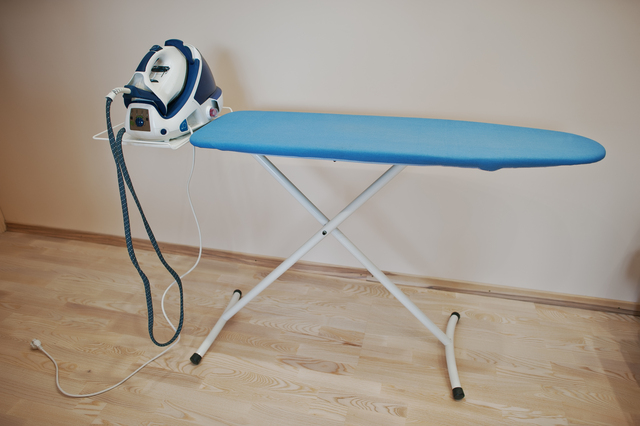
Steam mops are a popular choice for deep cleaning hard floors — but vinyl plank is one surface where they’re worth avoiding entirely. The intense heat and moisture generated by steam cleaners can cause the vinyl planks to warp, weaken the adhesive, and compromise the floor’s stability. This kind of damage can be gradual, which means a floor that looks fine after one steam clean may start showing problems a few months later.
A damp microfiber mop with a pH-neutral cleaner achieves a thorough clean without the heat risk. For floors that need a deeper clean, increasing the frequency of damp mopping is a safer approach than reaching for a steam mop.
4. Vacuuming With the Beater Bar On
Vacuuming is one of the better habits for vinyl floor maintenance — but the setting matters. Many vacuums have an integrated brush roll designed to pull hair and debris from carpet fibers. When left on while cleaning vinyl, the rotating bristles repeatedly contact the planks, leaving scratches and scuff marks that accumulate over time.
Most upright vacuums have a hard floor setting that disengages the beater bar — it’s worth confirming that setting is actually in use rather than assumed. For canister vacuums, swapping to a hard floor attachment before cleaning vinyl achieves the same result.
5. Applying Wax or Polish
Vinyl plank floors have a factory-applied wear layer that doesn’t need waxing or polishing — and adding these products can do more harm than good. Wax and polish build up on the surface over time, creating a film that attracts dirt, dulls the finish, and becomes increasingly difficult to remove without stripping the floor. Products intended to add shine can generally cause product buildup that leaves a film and dulls the floor’s appearance over time.
If the floor looks dull, the more likely cause is residue from cleaning products rather than a lack of shine treatment. A thorough clean with plain warm water can often restore the finish without adding anything to the surface.
Streaky or cloudy floors after mopping are often a sign of too much cleaning solution in the mop water rather than a dirty floor. Reducing the amount of cleaner and rinsing with plain water can help clear the residue.
6. Using Abrasive Scrubbers on Stains
It’s tempting to reach for a scrubbing pad when a stain isn’t shifting — but steel wool and abrasive scrubbers can scratch and damage the wear layer on vinyl plank, leaving the surface more vulnerable to staining and moisture going forward. The protective coating on vinyl floors scratches more easily than the floor’s overall durability might suggest.
For stubborn stains, a soft cloth dampened with a small amount of pH-neutral cleaner, worked in a gentle circular motion, is a safer alternative than reaching for an abrasive pad. For scuff marks, a damp microfiber cloth handles most of them without any additional product needed.
7. Not Cleaning Frequently Enough
Vinyl plank floors are durable, but fine dust and grit left on the surface don’t stay inert — every step grinds them lightly against the wear layer, and that friction accumulates. Debris left to build up poses a real risk to floors, dulling the finish or leaving small scratches that become more visible over time.
A dry sweep or dust mop every day or two in busy areas — before any wet cleaning — removes most of what would otherwise act as fine abrasive underfoot. It takes a few minutes and does more to protect the floor’s finish than any cleaning product.
What to Use Instead
Once the common mistakes are off the table, vinyl floor cleaning is relatively straightforward. For daily maintenance, a soft broom or microfiber dust mop handles loose dirt and grit without risk to the surface. For regular wet cleaning, a well-wrung microfiber mop with a pH-neutral cleaner formulated for vinyl floors covers most situations. Spills are worth addressing immediately — blotting rather than wiping to avoid spreading the liquid.
For stubborn spots that don’t respond to regular mopping, apply a small amount of pH-neutral cleaner directly to a soft cloth and work it gently over the stain rather than scrubbing from above. Whatever method you use, checking the flooring manufacturer’s recommendations first is worth the extra step — cleaning guidance can vary between vinyl products, and following it helps protect any warranty that may be in place.
We hope you found this article on avoiding vinyl floor cleaning mistakes helpful. If so, feel free to share it on Facebook or Pinterest.