How to Remove Grease From Kitchen Walls
Grease tends to settle on kitchen walls over time, especially near the stove or countertops. It creates a sticky film that attracts dust and looks dull. A few straightforward methods using common household items can help lift that residue without intense scrubbing.
Why Grease Settles on Kitchen Surfaces
Cooking releases tiny oil particles into the air. These particles float around and eventually land on nearby walls. Over weeks or months, the buildup becomes noticeable as a slightly tacky layer that dulls paint or wallpaper.
Heat from stovetops makes this process faster. The warmer the area, the more likely grease will cling to vertical surfaces around your cooking zone.
Using Warm Water and Dish Soap to Lift Grease From Kitchen Walls
One of the gentlest approaches involves mixing warm water with a few drops of dish soap in a bowl or bucket. Dish soap breaks down oil-based residue without harsh chemicals. You might start by dipping a soft cloth or sponge into the solution and wringing it out well.
Wipe the greasy area using light, circular motions. The soap helps loosen the film while the warm water rinses it away. You don’t need to press hard—just steady, even strokes across the surface.
After wiping, go over the same spot with a clean, damp cloth to remove any soap residue. Then dry the wall with a towel to prevent streaks or water marks from forming.
Applying a Degreasing Spray for Stubborn Kitchen Wall Buildup
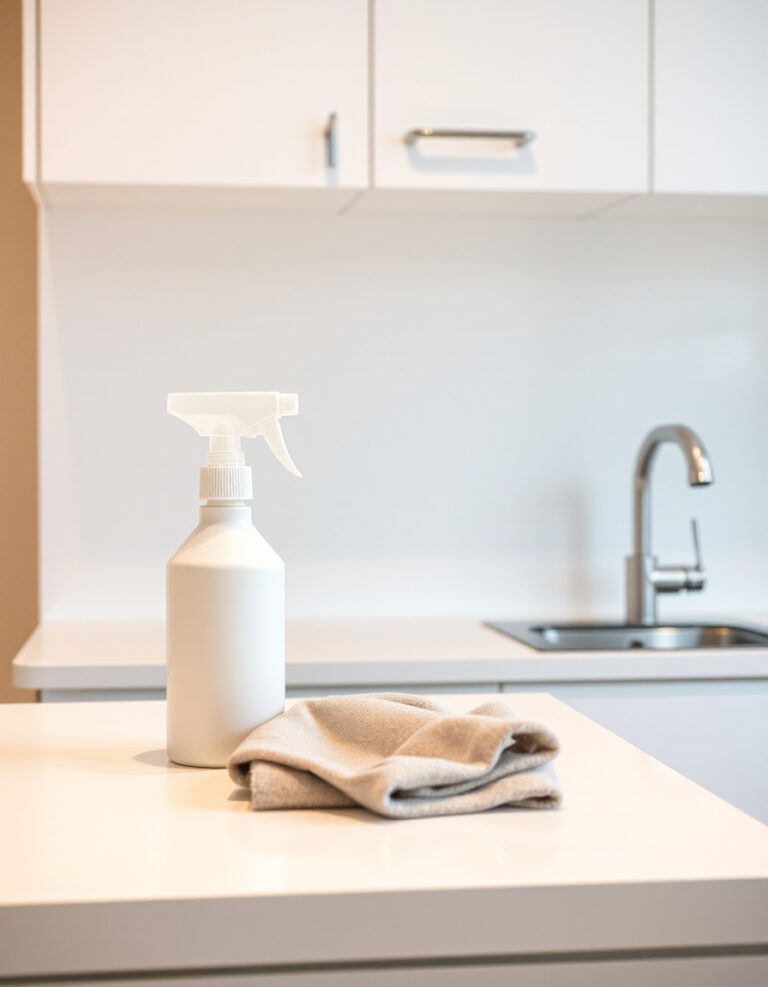
When dish soap doesn’t quite cut through heavier grease, a degreasing spray might help. Many store-bought degreasers are designed for kitchen surfaces and work well on painted walls. You can also make a simple version at home using white vinegar and water in equal parts.
Spray the solution lightly onto the greasy section. Let it sit for a minute or two so it can start breaking down the oil. This waiting period tends to make the wiping process easier.
Use a microfiber cloth or soft sponge to wipe away the loosened grease. Work in small sections rather than tackling the entire wall at once. Rinse with clean water and dry thoroughly to avoid leaving behind any residue.
Trying Baking Soda Paste on Tough Grease Stains From Kitchen Walls
Baking soda offers a mild abrasive quality that can lift stubborn spots without scratching most painted surfaces. Mix a small amount of baking soda with just enough water to form a thick paste. The texture should be spreadable but not runny.
Apply the paste to the greasy area using a soft cloth or your fingers. Gently rub in circular motions, letting the baking soda work into the stain without aggressive scrubbing. This method tends to help when grease has been sitting for a while.
Wipe away the paste with a damp cloth, then follow up with a dry towel. Check the spot to see if any residue remains. If needed, repeat the process on particularly stubborn areas.
Cleaning Kitchen Walls With a Vinegar and Water Solution
White vinegar cuts through grease naturally and leaves minimal odor once it dries. Combine one part vinegar with one part warm water in a spray bottle or bowl. The acidity helps dissolve oily buildup without leaving a soapy film behind.
Dampen a cloth with the mixture and wipe the affected wall area. You might notice the grease lifting more easily than with plain water. Vinegar also tends to help with any lingering kitchen odors trapped in the residue.
Rinse the wall with a clean, damp cloth to remove the vinegar smell. Dry the surface completely to prevent moisture from sitting on the paint. This approach works well for regular kitchen maintenance between deeper cleanings.
Using a Magic Eraser Sponge on Grease Marks From Kitchen Walls
Magic erasers are melamine foam sponges that can lift surface grime with just water. They work through gentle friction rather than chemicals. Dampen the sponge slightly and squeeze out excess water before using it on your wall.
Rub the greasy spot lightly, letting the sponge do the work. These sponges can remove paint or finish if you press too hard, so test a small hidden area first. They tend to work best on minor grease marks rather than heavy buildup.
Wipe the area with a damp cloth afterward to remove any eraser residue. Dry thoroughly to avoid streaks. Magic erasers can lose their effectiveness as they wear down, so replace them when they start to crumble.
Tackling Grease Buildup Near the Stove on Kitchen Walls
The wall space directly behind or beside your stove collects grease faster than other areas. This zone gets hit with oil splatter and steam during cooking. Cleaning it more frequently helps prevent thick, sticky layers from forming.
Start with a degreasing spray or dish soap solution on this high-traffic area. You might need to wipe it down twice to fully remove the residue. A soft-bristled brush can help work the cleaner into textured paint or tile grout without scratching.
After cleaning, consider placing a splatter guard or backsplash protector if you don’t have one already. This tends to reduce how much grease reaches the wall in the first place.
What to Avoid When Removing Grease From Kitchen Walls
Harsh abrasive scrubbers like steel wool can scratch painted walls and remove the finish. They might seem effective at first, but they often leave visible damage. Stick with soft cloths, sponges, or melamine erasers instead.
Avoid using undiluted ammonia or bleach on kitchen walls. These chemicals can discolor paint and create strong fumes in enclosed spaces. Milder options like dish soap or vinegar tend to work just as well without the risks.
Don’t saturate the wall with too much liquid. Excess water can seep behind paint or into drywall, causing bubbling or mold over time. Always wring out your cleaning cloth well before wiping.
How Often You Might Clean Grease From Kitchen Walls
The frequency depends on how much you cook and what methods you use. If you fry food often or cook without a vent hood, grease buildup happens faster. A quick wipe-down every few weeks can help prevent heavy accumulation.
For lighter cooking habits, a monthly cleaning might be enough to keep walls looking fresh. High-splatter areas near the stove benefit from more frequent attention. Regular maintenance tends to make each cleaning session shorter and easier.
FAQ
What removes grease stains from painted walls?
Warm water mixed with dish soap tends to lift most grease stains from painted walls. For tougher spots, a baking soda paste or white vinegar solution can help break down the residue. Always test any cleaner on a hidden area first to ensure it doesn’t affect the paint finish.
How do you clean greasy kitchen walls naturally?
A mixture of equal parts white vinegar and warm water works well as a natural degreaser. Baking soda paste also offers a chemical-free option for scrubbing stubborn areas. Both methods avoid harsh cleaners while still tackling oily buildup effectively.
What is the best way to degrease kitchen walls?
Start with a dish soap and warm water solution for general cleaning. If grease persists, use a degreasing spray or vinegar mixture on the affected areas. Wipe in small sections, rinse with clean water, and dry thoroughly to prevent streaks or moisture damage.
How often should you clean grease off kitchen walls?
This depends on your cooking frequency and methods. If you cook daily or fry food often, wiping down walls every two to three weeks helps prevent heavy buildup. For lighter cooking, monthly cleaning might be sufficient to keep surfaces looking clean.
Conclusion
Removing grease from kitchen walls doesn’t require specialized products or intense effort. Simple household items like dish soap, vinegar, or baking soda tend to handle most greasy residue when used consistently. Regular light cleaning helps prevent thick buildup that becomes harder to tackle over time. A calm, steady approach to kitchen wall cleaning keeps your space looking fresh without added stress.