8 Areas to Clean Around Your Washing Machine
Washing machines handle loads of laundry, but the space nearby tend to collect its own layer of dust and debris. Lint drifts into corners, detergent leaves marks, and moisture settles on surfaces. These spots often go unnoticed until buildup becomes visible.
Taking a few minutes to clean around the washing machine keeps the laundry area more pleasant. The process stays straightforward with basic household items.
What Tends to Build Up Around Washing Machines
Laundry rooms see regular activity, and certain messes come with the territory. Water splashes out during cycles, lint escapes from wet clothes, and soap products drip from containers.
The floor under the machine traps debris. The exterior collects fingerprints and dust. Storage shelves get sticky from detergent bottles. These areas benefit from occasional attention.
1. Sweep and Mop the Floor Space Under the Washing Machine
The floor beneath the washer gathers lint, loose change, and small items that fall during loading. Moisture from leaks or splashes also settles here.
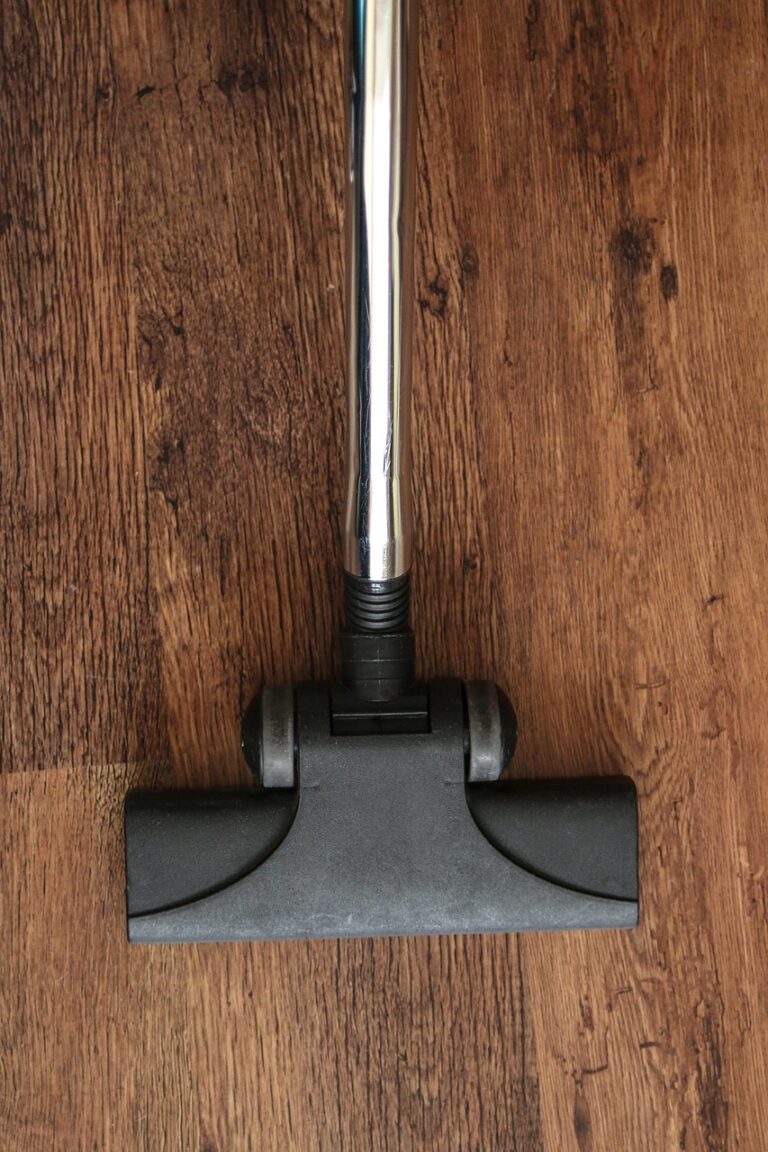
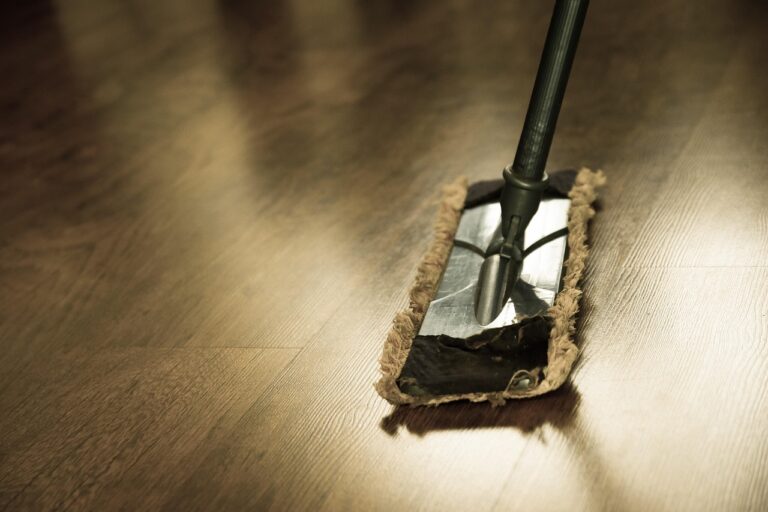
If the machine sits on a platform or has space underneath, a broom or vacuum reaches back there. For tighter spots, a flat mop head or long duster extends farther.
Addressing the floor every few weeks helps manage what accumulates. Sticky patches lift easier when tackled sooner rather than later.
2. Wipe Down the Exterior Surfaces of the Washing Machine
The top and sides of the machine act as landing spots for laundry baskets and household items. Dust settles on these surfaces, and detergent drips leave residue.
A damp cloth with a bit of dish soap handles most marks. Wipe along the top, then move to the sides and front panel.
Drying with a clean towel afterward reduces streaking. This step fits into a few spare minutes between loads.
3. Clear Lint from Corners and the Area Behind the Machine
Lint finds its way into corners near the washer. It tends to collect along baseboards, behind the machine, and in tight gaps.
A vacuum hose attachment pulls out most of this material. For spots the hose won’t reach, wrap a cloth around a ruler or similar tool.
Tackling corners once a month helps keep lint from forming thick layers. The space looks tidier with less visible debris.
4. Clean the Detergent Storage Shelf and Bottle Bottoms
Bottles of detergent and fabric softener tend to leak from their caps. The shelf where they sit often develops a sticky film over time.
Remove all containers and wipe the shelf with warm water and a cloth. Check the bottom of each bottle before placing it back.
Letting the surface air dry for a few minutes helps the area stay cleaner between wipes.
5. Address Dust and Grime on the Wall Behind the Washer
The wall behind the machine can collect occasional splashes and floating lint during wash cycles. Dust also settles here since the area doesn’t get much airflow.
Wipe the wall down with a damp cloth. For textured surfaces, a soft brush works better at lifting dust without leaving marks.
This spot tends to show buildup slowly, so checking it every month or so keeps it manageable.
6. Wipe the Door Seal and Gasket Around the Opening
Front-load washers have a rubber gasket around the door that can trap water and lint. Top-loaders have a lid that collects dust and drips.
Pull back the rubber seal gently and wipe inside the folds with a cloth. For top-loaders, wipe the lid and the rim where it closes.
This area dries better when wiped after loads finish. Removing trapped moisture helps the space feel fresher over time.
7. Clean the Control Panel and Button Area on the Machine
The control panel may get touched with wet or soapy hands throughout the day. Buttons collect grime, and digital screens show fingerprints.
Use a slightly damp microfiber cloth to wipe the panel. Avoid getting moisture into gaps around buttons or displays.
Regular wiping helps the panel stay cleaner and can keep buttons feeling smoother over time.
8. Tidy Storage Baskets and Bins Near the Washing Machine Area
Laundry baskets and storage bins sit close to the washer and tend to pick up dust on their outer surfaces. Inside, they may hold lint or forgotten items.
Empty each basket and shake out debris. Wipe down the exterior with a damp cloth, then reorganize what goes back in.
Keeping storage neat can make grabbing supplies simpler. It also cuts down on clutter around the machine.
Simple Habits That Help Between Deeper Cleans
Placing a small tray under detergent bottles catches drips before they reach the shelf. Keeping a cleaning cloth nearby makes quick wipes easier.
Running a dry towel over the machine top after each load helps pick up moisture. These small actions can reduce how often deeper cleaning becomes part of the schedule.
Checking the area once a week helps spot messes early. A quick scan takes seconds and keeps buildup from spreading.
Questions & Answers
How do you clean around a washing machine?
Start with the floor underneath, then wipe down exterior surfaces like the top and sides. Clear lint from corners and check areas where detergent sits.
Address the door seal and control panel as part of the routine. Basic supplies like cloths, warm water, and a vacuum can handle most tasks.
What collects around washing machines?
Lint, dust, and detergent residue are the most common culprits. Water splashes during cycles, and moisture settles on nearby surfaces.
Small items like coins or buttons sometimes fall behind the machine. Sticky patches form on shelves from leaking product containers.
How often should you clean the area around your washer?
Wiping down surfaces once a week works for most households. The floor and corners benefit from attention every two to three weeks.
Adjust based on how much laundry gets done. Busier schedules may need more frequent touch-ups to stay ahead of buildup.
Does vinegar work for cleaning around the washing machine?
White vinegar works on many surfaces and cuts through soap residue. Mix it with water for a mild cleaning solution.
Test it on a small area first, especially on painted walls or finished floors. Rinse with plain water afterward to avoid lingering smell.
Why does the floor get dirty so fast around the washer?
Water can escape during wash cycles, and detergent may drip from bottles. Lint can also float out when loads are moved in and out of the drum.
These messes tend to build up over time. Regular sweeping or mopping can help keep accumulation under control between deeper cleans.
Does cleaning around the machine help with maintenance?
Keeping the area tidy makes it easier to spot leaks or other issues early. Dust and lint around the machine also stay out of internal parts.
Keep It Simple and Stay Consistent
Cleaning around the washing machine can be incorporated into regular routines without much planning. A few quick wipes and sweeps here and there manage most buildup before it settles in.
Small efforts add up and keep the space working smoothly for everyday tasks.